

Air Con Cleaning Kit: Your HVAC System's Best Friend for Aircon Cleaning
When the temperature rises, there's nothing more comforting than the cool, refreshing embrace of an air-conditioned room. This sensation is largely thanks to the heroic efforts of our HVAC (Heating, Ventilation, and Air Conditioning) systems. However, like any other hero, our HVAC systems need regular care and maintenance to keep performing at their peak. One essential aspect of this maintenance is regular cleaning, and that’s where a top-notch air conditioner cleaning kit comes into play.
Choosing the right cleaning kit for your air conditioner can seem like a daunting task, especially with the array of options available on the market. But fear not! This guide will walk you through the process, simplifying it and providing you with all the knowledge you need to make an informed decision.
Why Do You Need an Air Conditioner Cleaning Kit?
Before we delve into the intricacies of selecting the perfect kit, it's crucial to understand why cleaning your air conditioner is so essential. Your HVAC system works tirelessly to provide comfortable temperatures, but over time, dust, dirt, and debris can accumulate in the internal parts of the unit.
This build-up can result in decreased efficiency, higher energy bills, and, in extreme cases, a shortened lifespan for your unit. Regular cleaning using a professional-grade air conditioner cleaning kit can ensure your HVAC system remains efficient, saves energy, and lasts longer.
Things to Consider When Buying an Air Conditioner Cleaning Kit

Versatility
Some kits are specially designed for specific types or brands of air conditioners, while others are more versatile and can be used on various units. It's best to choose a kit that's compatible with your HVAC system to avoid potential damage or ineffective cleaning.
Kit Components
A good cleaning kit should include a coil cleaner, a fin comb, a coil cleaning brush, a condensate drain pan tablet, and a coil coating treatment. All these components play a crucial role in the cleaning process, so make sure your chosen kit has them all.
Eco-Friendliness
Some cleaning solutions can be harmful to the environment. Opt for kits with biodegradable, eco-friendly cleaning solutions that are also safe for you and your family.
User Friendliness
The best cleaning kits are easy to use, even for beginners. They should come with clear instructions, and ideally, customer support for any queries or issues you might encounter.
Price
While it's true that more expensive kits often provide higher quality, it's not always necessary to splurge on the priciest option. Balance quality with affordability to get the best value for your money.
Using Your Air Conditioner Cleaning Kit: A Step-By-Step Guide

Once you've chosen your kit, it's time to get down to the business of cleaning your air conditioner. Here's a simple step-by-step guide to help you:
1. Turn off Your HVAC System: Safety comes first. Always turn off your air conditioning system before beginning any cleaning procedure.
2. Apply Coil Cleaner: Follow the instructions on your cleaning kit to apply the coil cleaner. Usually, this involves spraying the cleaner directly onto the coils, allowing it to foam and sit for a few minutes to dissolve the dirt.
3. Rinse the Coils (if necessary): Some coil cleaners need to be rinsed off, while others are 'no-rinse.' If your cleaner requires rinsing, use a gentle stream of water to wash away the foam and dislodged dirt. Be careful not to use high pressure as it can damage the delicate fins of the coils.
4. Clean the Fins: Use a fin comb from your kit to gently straighten any bent fins. These fins are vital for efficient air flow, so ensure they're in good shape.
5. Apply Coil Coating Treatment: If your kit includes a coil coating treatment, apply it according to the instructions. This will protect the coils from future dirt build-up and enhance your HVAC system's efficiency.
6. Clean the Drain Pan: Lastly, clean the drain pan using the pan tablets from your kit. These tablets not only clean but also prevent future algae growth, ensuring your HVAC system runs smoothly.
7. Turn the System Back On: Once everything is clean and dry, turn your HVAC system back on and enjoy the benefits of a cleaner, more efficient system.
DIY Vs. Professional Cleaning
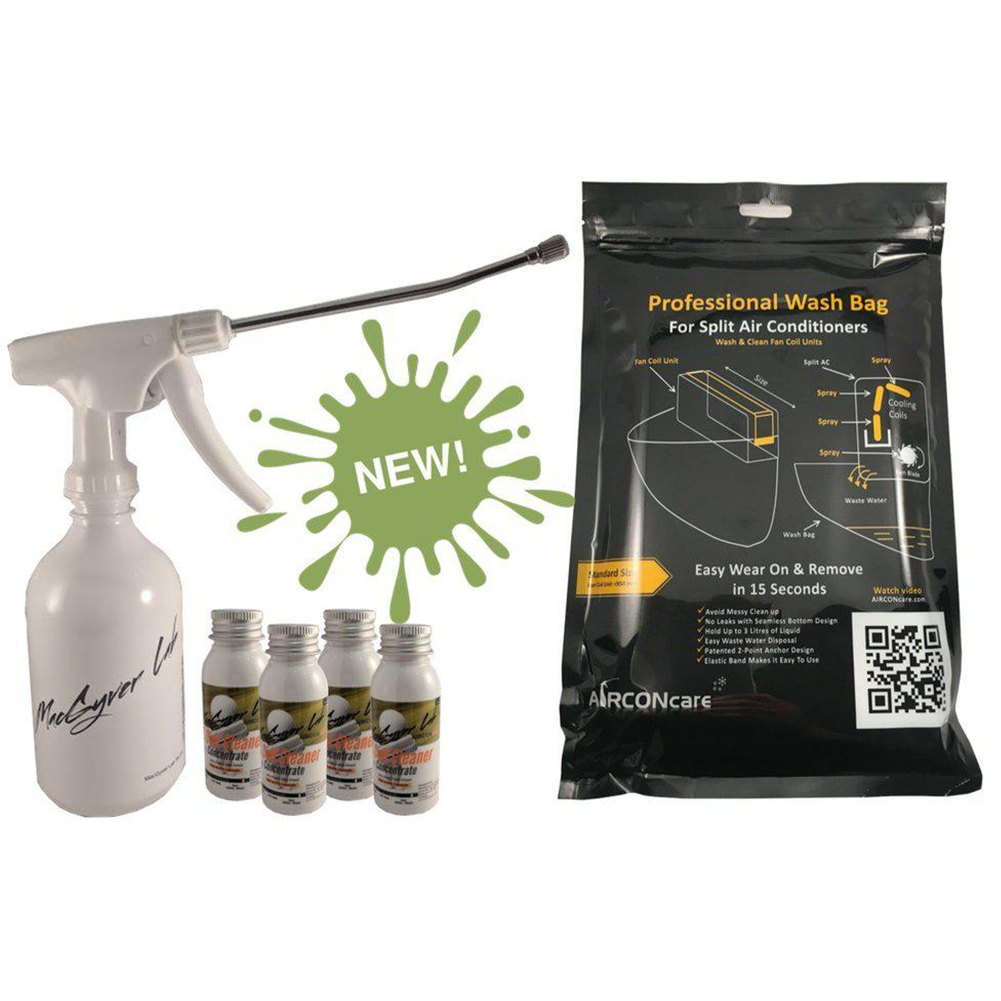
While using an air conditioner cleaning kit is an excellent way to maintain your HVAC system, some instances may warrant professional cleaning. If you're dealing with a heavily soiled system, persistent issues despite regular cleaning, or if you're uncomfortable handling the task yourself, hiring a professional might be the best course of action.
Professionals have access to heavy-duty equipment and specialized skills, enabling them to handle more complex cleaning tasks. They can also spot potential issues that may not be apparent to the untrained eye, saving you from costly repairs down the line.
However, for regular, routine maintenance, a good air conditioner cleaning kit is more than sufficient. It's a cost-effective, proactive measure to keep your HVAC system in top shape. Plus, there's a certain satisfaction in knowing you're taking good care of your home.
Conclusion
Maintaining your HVAC system with regular cleaning is not just a smart move; it's an investment in the longevity and efficiency of your system. By understanding what to look for in an air conditioner cleaning kit, how to use it effectively, and when to call in the professionals, you're taking a significant step towards ensuring a long, efficient life for your HVAC system.
Moreover, regular cleaning contributes to better indoor air quality, making your home a healthier, more comfortable space. It's an all-around win.
Remember, the right tools make all the difference. With the perfect air conditioner cleaning kit in hand, you'll be well-equipped to tackle your HVAC maintenance tasks, ensuring your system remains a reliable provider of comfort for years to come.
With our guide, we hope that choosing the right air conditioner cleaning kit becomes a breeze, leaving you with a clean, efficient HVAC system that's ready to take on any season.