
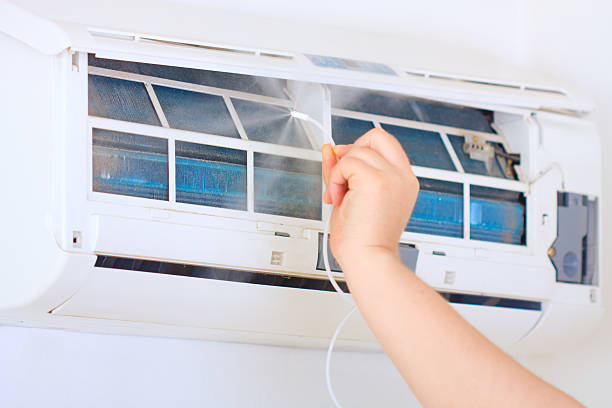
Pressure Washer for HVAC Cleaning: Efficiency Unleashed
The world of HVAC cleaning has seen many tools and methodologies come and go, but few have shown the transformative power of portable pressure washers with a water tank. From increased efficiency to exceptional portability, these devices are changing the game in the realm of HVAC system maintenance and cleaning.
So, why are these machines so revolutionary, and how can they benefit you? Let's delve deep into the world of portable pressure washers and unearth their many advantages for HVAC cleaning.
Portability that Enhances Convenience
Imagine this scenario: You're working on a complex HVAC system located in a tight, hard-to-reach space, and you need to clean it. Dragging a cumbersome cleaning setup around is inconvenient and often impractical. This is where the portable pressure washer shines.
The first advantage of a portable pressure washer with a water tank is, as the name suggests, its portability. These compact, lightweight devices can be easily moved around, fitting into tight spaces and offering ease of use. They are the perfect tool for HVAC professionals and homeowners alike who are looking for a hassle-free solution to HVAC cleaning.
Powerful and Efficient Cleaning
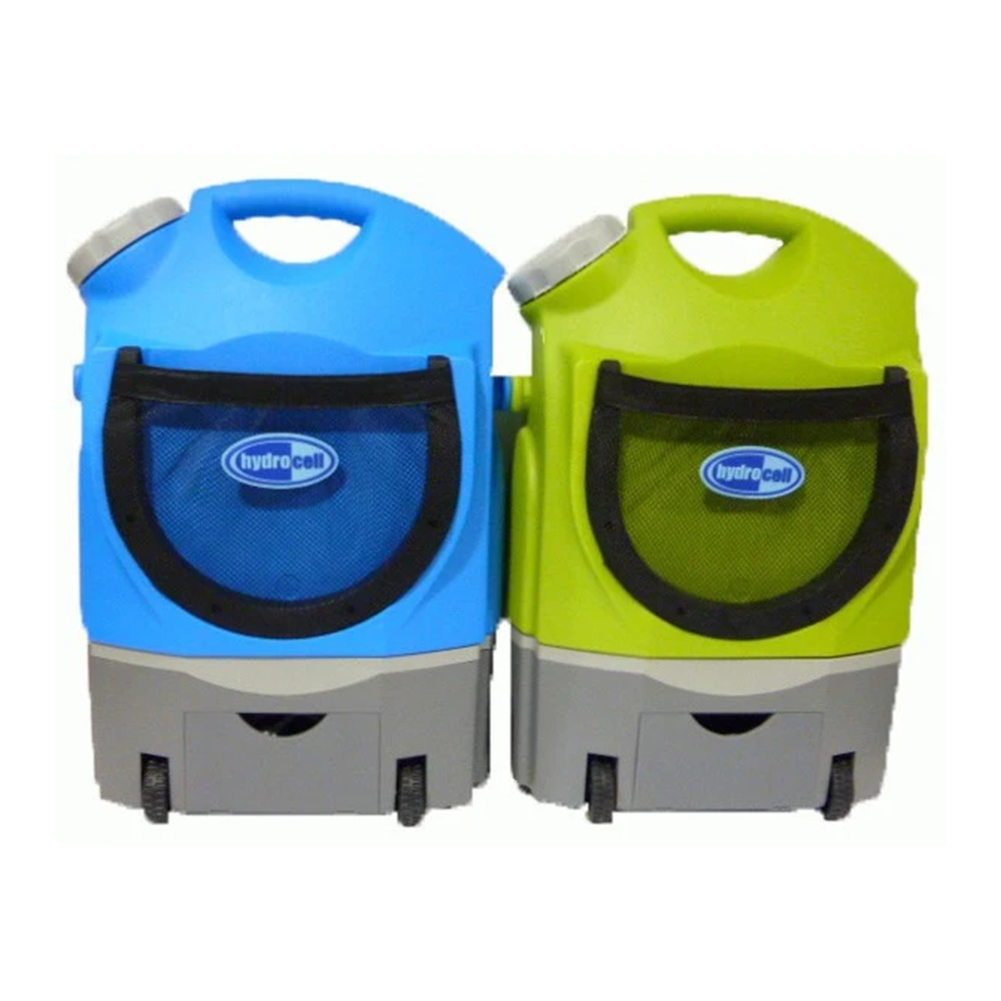
Despite their compact size, portable pressure washers pack a serious punch. Armed with pressurized water jets, they are capable of dislodging even the most stubborn dirt and debris from your HVAC units. Whether it's dirt, dust, mould, or grime, nothing stands a chance against the force of a pressure washer.
But it's not just about the raw power; it's also about efficiency. Traditional cleaning methods often involve a lot of elbow grease and time. However, a portable pressure washer can cut your cleaning time significantly, thanks to the high-pressure water that can reach even the hardest-to-clean areas in your HVAC system.
Water Tanks that Add Versatility
The inclusion of a water tank in portable pressure washers is more than just a convenience—it adds to the machine's versatility. With a water tank on board, you're no longer tethered to a water source. This means you can carry out cleaning tasks in areas where access to water is limited.
Additionally, most water tanks are detachable and easy to refill, adding to the overall convenience of the device. This means less time worrying about logistics and more time focusing on getting your HVAC system squeaky clean.
Eco-Friendly Choice
Portable pressure washers are an eco-friendly choice for HVAC cleaning. Thanks to their pressurised water jets, they use less water compared to traditional cleaning methods. Additionally, they eliminate the need for harsh chemical cleaners, making them a better choice for the environment.

Savings Over Time
Investing in a portable pressure washer for HVAC cleaning might seem like an upfront cost, but in the long run, it can save you money. By reducing the time and effort needed for cleaning, these devices can help you save on labour costs. Additionally, regular and thorough cleaning of your HVAC units can lead to more efficient operation and lower energy costs, bringing you savings on your utility bills.
A Cleaner, Healthier Environment
Last but not least, using a portable pressure washer for HVAC cleaning contributes to a cleaner, healthier environment. HVAC systems, if not properly maintained, can become a breeding ground for bacteria and mould, affecting the indoor air quality. With a pressure washer
at your disposal, you can effectively eliminate these harmful elements, ensuring cleaner, healthier air circulation within your space.
A Glimpse Into the Process
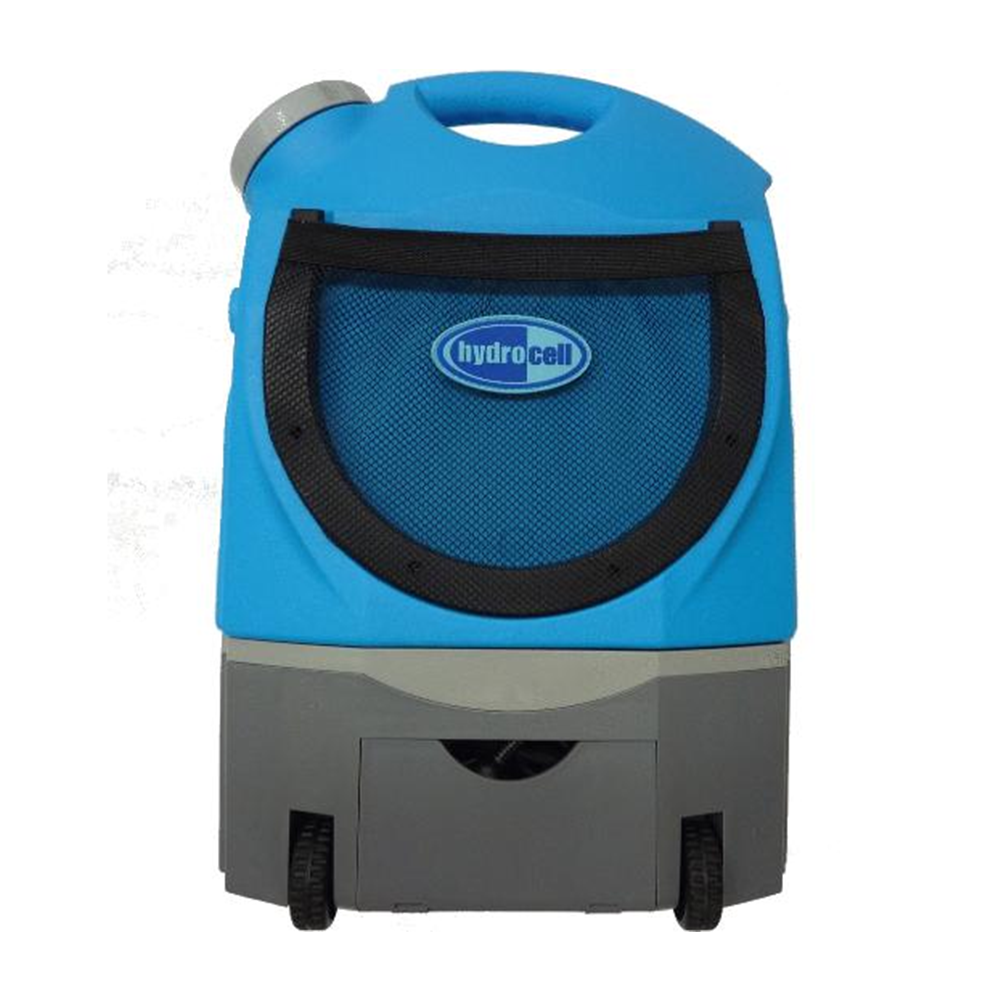
Now that we've discussed the various benefits, let's explore how a portable pressure washer can be used in HVAC cleaning.
Pre-Inspection and Safety Measures
Before you begin, it's crucial to inspect your HVAC system and identify any specific areas that require special attention. Ensure the system is turned off, and any electrical components are safely secured to avoid accidental damage or harm during the cleaning process.
Application
Once you've prepped your system, it's time to get to work. Start by setting your portable pressure washer to a moderate setting – it's always better to begin with a less intense pressure and gradually increase as required. Aim the spray nozzle at the target areas, maintaining a safe distance to avoid any damage.
Remember, the key is to be thorough but gentle – the idea is to dislodge dirt and debris, not to damage your HVAC components.
Post-Cleaning Check
After cleaning, give your HVAC system a once-over to ensure all dirt and debris have been removed. If any areas require further attention, adjust your pressure washer settings as needed and repeat the process.
Drying and Reassembly
Ensure the HVAC system is thoroughly dried before reassembling or restarting it. The powerful blast from a pressure washer usually dislodges most of the water, but any remaining moisture can be wiped away using a clean, dry cloth.
This entire process not only cleans but also extends the life of your HVAC system by preventing build-up that can hamper efficiency and functionality.
Choosing Your Portable Pressure Washer
With the numerous options available in the market, selecting the right portable pressure washer can be a bit overwhelming. Here are a few factors to consider:
Pressure Rating
Pressure washers come in a range of pressures, measured in PSI (pounds per square inch). While a higher PSI indicates more power, for HVAC systems, a washer with moderate pressure is usually sufficient. Excessive pressure can potentially damage sensitive components.
Water Tank Capacity
Consider the size of the water tank. Larger tanks offer longer operation time but tend to make the pressure washer heavier and less portable. Choose a size that balances your need for portability and operational efficiency.
Quality and Durability
Quality should never be compromised. Look for a pressure washer that is robust and durable. Read customer reviews and do your research to ensure your chosen product has a reputation for quality and longevity.
Price
Price is an essential factor, but it shouldn't be the sole determining factor. Balance the cost with the features, power, durability, and other considerations important to you.
Wrapping Up
In conclusion, a portable pressure washer with a water tank is a versatile, efficient, and effective tool for HVAC cleaning. It not only simplifies the cleaning process but also results in cleaner, healthier, and more efficient HVAC systems.
Whether you're an HVAC professional seeking to boost your service efficiency or a homeowner wanting to undertake DIY HVAC maintenance, a portable pressure washer is an investment that offers substantial returns in terms of time, money, and health benefits.
Embrace the power and convenience of portable pressure washing today, and experience a noticeable difference in your HVAC maintenance and cleaning tasks!