
Reviewed by: HVAC Shop Technical Team
Published: July 2023
Last reviewed: April 2026
Air Conditioner Cleaners Australia: Complete Guide to Safe, Effective HVAC Cleaning
When summer hits across Australia, air conditioners go from occasional use to full-time workhorses. Brisbane humidity, Sydney coastal air, and dusty regional conditions all push systems hard. But here’s what most homeowners and even some DIYers miss — performance isn’t just about the unit itself. It’s about how clean it is.
A dirty air conditioner doesn’t just struggle. It works harder, uses more power, and pushes contaminated air through your home. That’s where proper air conditioner cleaners come in.
Done right, cleaning is one of the easiest ways to improve performance, reduce costs, and protect your system.
👉 Start here:
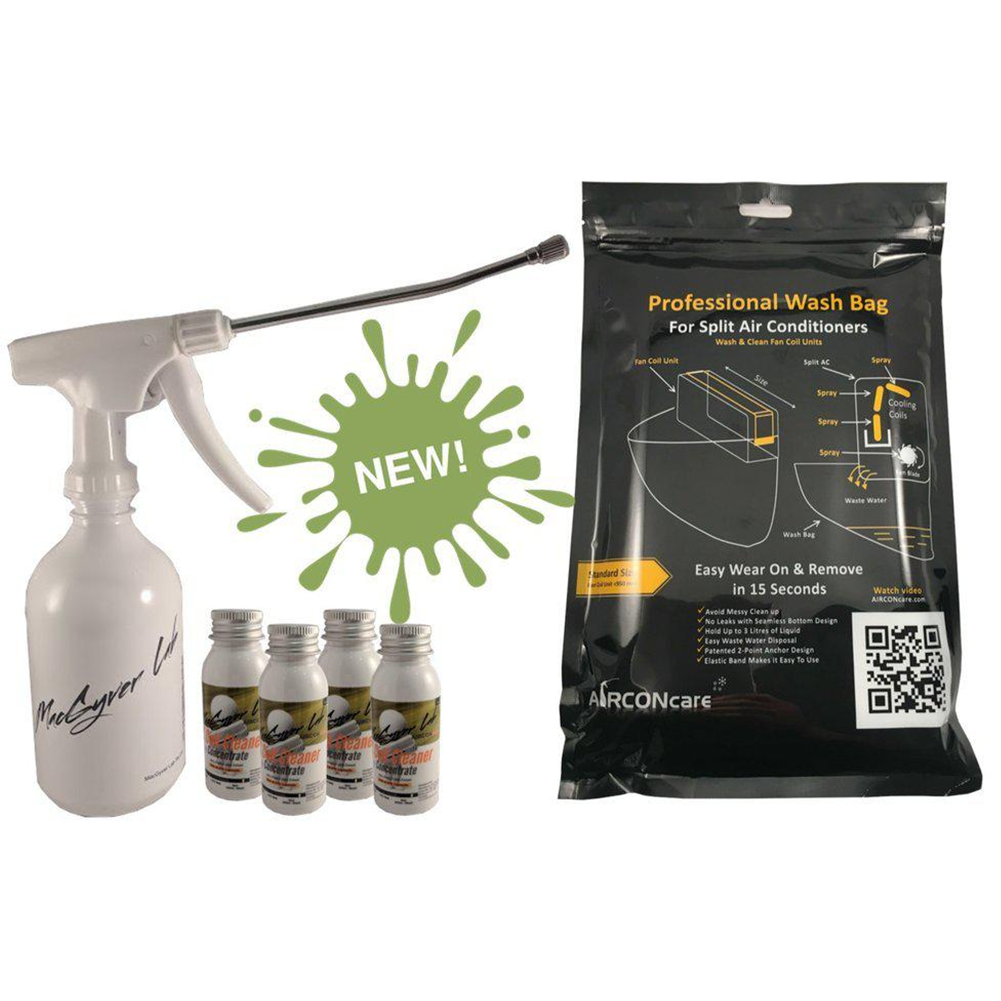
Browse air conditioner cleaning kits
A clogged coil can increase energy usage by up to 30% in Australian summer conditions.
Why Air Conditioner Cleaners Are Essential
Most people only think about cleaning when something smells off or airflow drops. By then, the system is already working inefficiently.
Inside every air conditioner, dust, moisture, and organic matter combine over time. This creates the perfect environment for mould and bacteria. When the system runs, those contaminants are circulated through the air you breathe.
Cleaning is not just about appearance. It directly impacts health, efficiency, and system lifespan.
When airflow is restricted, the unit compensates by running longer and harder. That increases energy bills and accelerates wear on internal components.
Regular cleaning removes this buildup before it becomes a problem. It restores airflow, improves cooling performance, and reduces strain on the system.
How Air Conditioner Cleaners Work
Air conditioner cleaners are designed to break down and remove contamination from coils, filters, and internal surfaces.
Most products use a foaming or penetrating formula. Once applied, the cleaner lifts dirt and grime from the surface, allowing it to be rinsed or wiped away easily.
Higher-quality cleaners also include antimicrobial properties. These target mould, bacteria, and allergens, helping improve indoor air quality.
The key difference between basic and professional-grade cleaners is penetration and residue control. Stronger formulations clean deeper while still being safe for system components.
👉 Pair cleaners with proper tools:
View cleaning and maintenance tools
A cleaner is only as effective as the application. Even coverage and proper dwell time make a huge difference.
When and How Often You Should Clean
Cleaning frequency depends on usage and environment. In most Australian homes, a full clean at the start of summer is the baseline.
In high-use homes or dusty environments, more frequent cleaning is recommended. Coastal areas often require additional maintenance due to salt and moisture exposure.
Waiting until performance drops is the wrong approach. Preventative cleaning keeps the system running efficiently before problems start.
Choosing the Right Air Conditioner Cleaner
Not all cleaners perform the same. The right choice depends on your environment, system type, and how often you plan to clean.
Effectiveness matters first. A cleaner must break down heavy buildup, not just surface dust. Antimicrobial capability is equally important for maintaining air quality.
Safety should never be overlooked. Products should be suitable for indoor use and not introduce harmful residues into the air.
Ease of use is also critical. Complex cleaning processes reduce consistency. Simpler systems get used more often.
Environmental impact is becoming more important as well. Many modern cleaners are designed to be biodegradable while still effective.
👉 Explore suitable options:
Shop air conditioner cleaners
Eco-friendly cleaners are no longer weaker alternatives. Many now match or exceed traditional chemical cleaners in performance.
Cleaning Performance Comparison
| Condition | Dirty System | Clean System |
|---|---|---|
| Airflow | Restricted | Strong |
| Cooling Speed | Slow | Fast |
| Energy Use | High | Efficient |
| Air Quality | Contaminated | Clean |
| System Lifespan | Reduced | Extended |
This is why cleaning is not optional. It directly affects cost, comfort, and reliability.
Step-by-Step Cleaning Process
Start by switching off the unit completely. Safety is always the first step.
Remove the filter carefully. Most filters slide out easily, but some may require additional steps depending on the model.
Apply cleaner evenly across the filter and allow it to penetrate. Follow the product instructions for dwell time.
Rinse thoroughly using clean water. Avoid high pressure that could damage the filter.
Apply cleaner to internal components such as coils. Allow it to break down buildup before wiping or rinsing gently.
Let all components dry fully before reassembly. Moisture left inside the system can lead to mould growth.
Once complete, restart the unit and check airflow and performance.
Enhancing Performance Beyond Cleaning

Cleaning is the foundation, but additional factors influence performance.
Professional servicing once a year ensures deeper issues are identified early. Proper installation also plays a major role in system efficiency.
Correct system sizing is critical. An undersized unit struggles continuously, while an oversized system cycles inefficiently.
Smart usage habits also improve performance. Keeping doors and windows closed, using timers, and maintaining moderate thermostat settings all contribute to better efficiency.
Final Thoughts
Air conditioner cleaners are one of the simplest upgrades you can make to your HVAC maintenance routine. They improve performance, protect your system, and help maintain healthy indoor air.
Whether you are a homeowner or a professional, consistent cleaning delivers measurable benefits.
👉 Get started here:
Shop cleaning kits
For safety and compliance, refer to Safe Work Australia.