
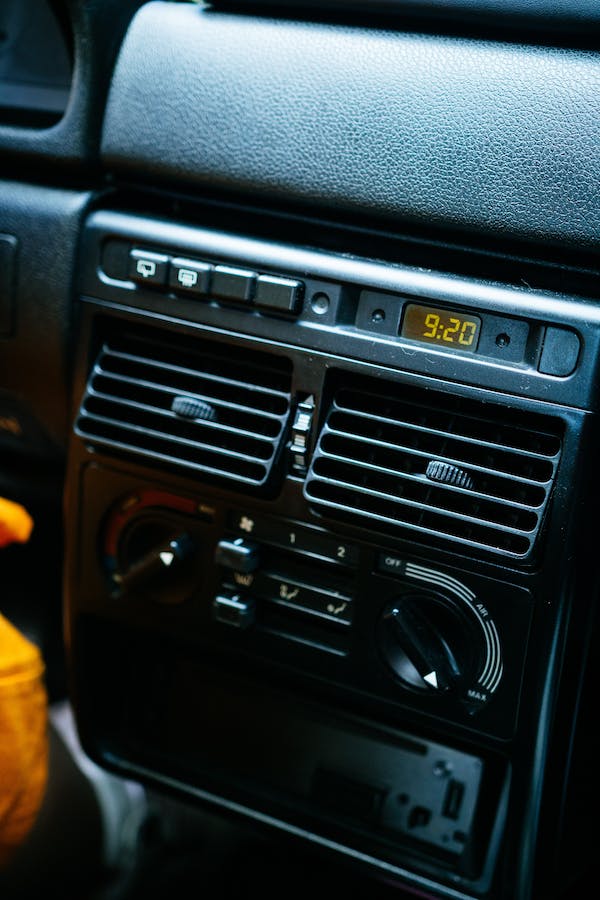
Cleaning Air Conditioner Coils: Enhance Cooling Efficiency
Australia's heatwaves are no joke, and your car's air conditioning is more than just a luxury—it's a necessity. When the sun is blazing, nothing feels better than the cool embrace of your car's air conditioning. But what happens when that cool breeze starts to falter, or worse, smell? The culprit is often overlooked, yet simple to solve—an unclean air conditioner. In this blog post, we'll explore how a humble air conditioner cleaner can dramatically improve your vehicle's cooling performance.
The Importance of a Clean Air Conditioner
Most people are unaware of the essential role a clean air conditioner plays in a vehicle's performance. Over time, dust, pollen, and other pollutants can accumulate within the air conditioner system, blocking filters, and inhibiting airflow. This can lead to the system working harder to produce cold air, using more fuel in the process and significantly reducing your car's overall cooling efficiency.
Understanding the Magic of an Air Conditioner Cleaner

Air conditioner cleaner is a specially formulated solution designed to remove accumulated dust, pollen, bacteria, and other contaminants from your car's air conditioning system. It's like a detox for your car, providing a deep clean and promoting better airflow.
Cleaning the air conditioning system not only improves cooling performance but also reduces unpleasant odours that might arise from accumulated bacteria and mould. Using an air conditioner cleaner will result in a fresher, cooler driving experience—so you can enjoy the open road, no matter the weather.
The Impact on Vehicle's Cooling Performance
When your vehicle's air conditioner is dirty, the system has to work much harder to push out cool air, which can lead to decreased efficiency and a marked increase in fuel consumption. This strain can also lead to premature wear and tear on the system's components, resulting in costly repairs down the line.
By contrast, a clean air conditioner operates at peak performance, cooling your car quickly and efficiently. Regularly using an air conditioner cleaner can result in:
- Improved fuel efficiency: A clean system uses less energy, resulting in lower fuel consumption.
- Extended system life: Regular cleaning reduces the risk of component failure, extending the lifespan of the air conditioner.
- Better air quality: Removing accumulated dust, pollen, and bacteria can improve the air quality inside your vehicle, making for a healthier and more comfortable ride.
How to Use an Air Conditioner Cleaner

Using an air conditioner cleaner is a straightforward process. Most products come in a spray can for easy application. Here's a basic guide on how to use an air conditioner cleaner:
- Start your vehicle and set the air conditioner to the coldest setting.
- Locate the air intake vents, usually found near the windshield wipers.
- Spray the cleaner directly into the vents. Be sure to follow the product instructions for the correct amount.
- Leave the air conditioner running for a further 10-15 minutes, allowing the cleaner to circulate through the system.
- Switch off the vehicle and let it sit for a while to dry.
Remember, regular maintenance is the key to keeping your vehicle's air conditioner at peak performance. We recommend cleaning the air conditioner system at least once a year, preferably before summer starts.
Choosing the Right Air Conditioner Cleaner
Now that you know the importance of a clean air conditioning system, your next step is choosing the right air conditioner cleaner. Not all cleaners are made equal, and the right one can make a significant difference in your car's cooling performance.
Look for cleaners that offer antibacterial properties to ensure a thorough cleanse. This will not only remove dust and debris but also target mould and bacteria that could be lurking in your air conditioner.
Additionally, consider the ease of use. Most air conditioner cleaners come in a convenient aerosol can with a straw applicator. This design allows for easy application into the vents without requiring you to disassemble any part of the air conditioning system.
Professional Help and Maintenance
Although using an air conditioner cleaner is a simple task, sometimes you might encounter more severe issues that require a professional's touch. In such cases, it's essential to seek help from a certified mechanic or an HVAC specialist. They can thoroughly inspect your system, diagnose problems, and recommend the best course of action to restore your air conditioner's performance.
Moreover, a professional can help you with regular maintenance of your air conditioning system. While cleaning with an air conditioner cleaner is a great start, other elements like refrigerant levels and leaks, compressor health, and air filter condition also affect your vehicle's cooling performance.
Signs That You Might Need to Clean Your Air Conditioner

Knowing when to clean your air conditioner is just as important as knowing how. Here are a few signs that your air conditioning system might need a good clean:
- Weak airflow: If the air coming out of the vents isn't as strong as it used to be, your air conditioner might be clogged with dust and debris.
- Unusual noise: Strange noises when the air conditioner is on could signal blockage or malfunctioning parts due to accumulated dirt.
- Bad smell: An unpleasant odour when the air conditioner is running could indicate the presence of bacteria or mould in your system.
Concluding Thoughts
A vehicle's air conditioner is a lifesaver, particularly during those scorching Australian summers. But for it to function optimally and efficiently, regular cleaning and maintenance with a good air conditioner cleaner are key. A small investment in a good quality air conditioner cleaner can save you fuel costs, keep your car's cooling system in top shape, and contribute to a healthier, more comfortable driving experience.
We hope this blog post has enlightened you about the importance of using an air conditioner cleaner and its positive impact on your vehicle's cooling performance. So, before the mercury rises, take a moment to give your car's air conditioner the care it needs.
Stay cool, drive safe, and remember—the journey is just as important as the destination. Embrace the open road with a well-maintained, optimally functioning air conditioning system.