

Reviewed by: HVAC Shop Technical Team
Published: April 2026
Last reviewed: April 2026
Air Con Cleaning Bags in Australia: Complete Guide for Tradies and DIY Cleaning
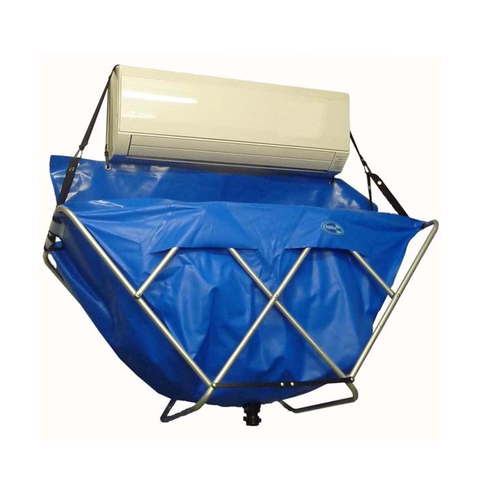
Cleaning a split system air conditioner sounds simple—until you actually do it. Water runs down the wall, dirt splashes everywhere, and suddenly what should have been a quick clean turns into a full cleanup job.
That’s exactly why air con cleaning bags have become essential across Australia. Whether you're a tradie working in Sydney or a homeowner doing a DIY clean in Brisbane, the right setup completely changes the job.
A cleaning bag doesn’t just reduce mess—it makes proper cleaning possible.
👉 Explore the full range of air conditioner cleaning bags designed for Australian conditions.
A dirty air conditioner can increase power usage by up to 30% due to restricted airflow and dirty coils.
Why Air Con Cleaning Gets Messy Without the Right Tools
Traditional cleaning methods rely on spraying water directly onto coils and filters. The problem is simple: water has nowhere to go.
On wall-mounted systems, runoff travels down walls, behind units, and onto floors. In some cases, it can damage paint, timber, or electrical fittings. That’s why many homeowners avoid cleaning altogether—even when the system clearly needs it.
For tradies, this creates another issue. Messy cleaning slows down jobs and increases liability risks on-site.
The result is predictable: poor cleaning, skipped maintenance, and systems that gradually lose performance.
How an Air Con Cleaning Bag Solves the Problem
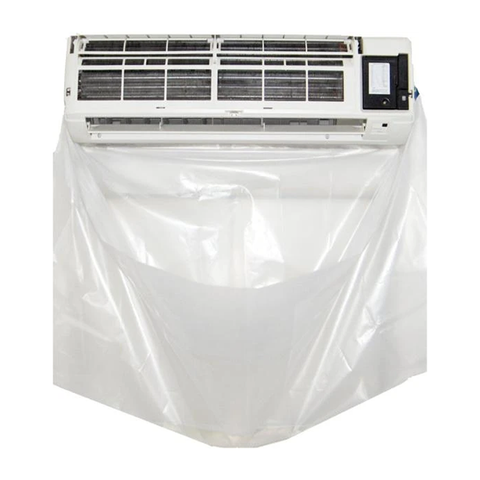
An air con cleaning bag is designed to fully enclose the indoor unit during cleaning. It creates a sealed catchment system that directs dirty water into a drain hose and bucket.
This transforms the cleaning process into something controlled, repeatable, and efficient.
Instead of managing runoff manually, the bag handles everything automatically.
That’s why both professionals and DIY users rely on them—it removes the biggest barrier to proper cleaning.
Key Benefits of Using a Cleaning Bag
The most obvious benefit is cleanliness. Walls, floors, and surrounding areas remain protected during the entire process.
But beyond that, the real value is consistency. When cleaning becomes easier, it gets done more often. That alone improves system performance over time.
Another major advantage is safety. Controlled drainage reduces slip hazards and prevents water from reaching sensitive electrical components.
👉 Pair your bag with tools from the cleaning and maintenance collection for best results.
If cleaning feels messy or difficult, it usually means the setup is wrong—not the job itself.
Air Con Cleaning vs No Cleaning: Real Impact
| Condition | Dirty System | Clean System |
|---|---|---|
| Airflow | Restricted | Strong |
| Energy Use | High | Efficient |
| Cooling Performance | Slow | Fast |
| Air Quality | Dusty | Clean |
| System Lifespan | Reduced | Extended |
This is why cleaning isn’t optional—it directly affects performance and cost.
How Often Should You Clean Your Air Conditioner?
Frequency depends on usage and environment. In most Australian homes, a full clean twice a year is a practical baseline.
However, in dusty regions or coastal areas, more frequent cleaning may be required. Systems used daily during summer should also be checked more often.
Filters should be cleaned regularly between deep cleans. This keeps airflow consistent and prevents buildup.
Cleaning your AC before summer ensures peak performance when demand is highest.
DIY Cleaning vs Professional Cleaning
Both options have their place.
DIY cleaning works well for basic maintenance. With the right tools, homeowners can safely clean filters and perform light coil cleaning.
Professional cleaning is recommended for deeper servicing, especially when dealing with internal components or system faults.
The key is knowing the limits. Basic cleaning is manageable, but anything involving electrical or refrigerant systems should be handled by licensed professionals.
Where Air Con Cleaning Bags Are Used
Cleaning bags are not limited to residential homes. They are widely used across commercial environments including offices, hotels, retail stores, and service businesses.
Their flexibility makes them suitable for nearly any wall-mounted split system setup.
That’s why they are considered standard equipment for many HVAC technicians.
Final Thoughts: Why a Cleaning Bag is Worth It
Cleaning an air conditioner properly without the right setup is difficult. With the right setup, it becomes simple.
That’s the difference a cleaning bag makes.
It removes mess, improves efficiency, and makes regular maintenance realistic.
👉 If you’re serious about maintaining your system, start with air con cleaning bags and build your setup from there.
For safe cleaning practices, refer to Safe Work Australia.