
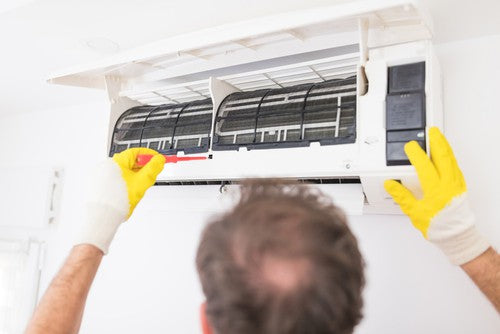
Do you feel that your home's air conditioner isn't performing as well as it once did?
Before you go out and buy a new one, ask yourself if you are properly maintaining your current one. Have you done any air conditioner cleaning in the last month or so? According to experts, we should clean our air conditioners at least once a year.
A well-maintained air conditioner may last longer, run better, and help keep your family healthy. If the indoor unit is dusty, smells musty, drips water, or does not cool like it used to, it may not be ready for replacement yet. It may simply need a proper clean. The good news is that many basic cleaning steps can be done safely by homeowners, while deeper cleaning and electrical checks should be handled by a licensed air conditioning technician.
Aussie homes work their air conditioners hard. Brisbane humidity, Darwin wet-season moisture, Sydney coastal air, Melbourne temperature swings, and Perth summer heat can all make indoor units collect dust, moisture, mould, and biofilm. When that grime builds up, the aircon has to push air through blocked filters and dirty coils. That means weaker airflow, higher running costs, and air that does not feel as fresh as it should.
Maintaining high air quality in your house necessitates cleaning your air conditioner. Filters in air conditioners are designed to gather dust and sometimes other pollutants such as pollen and bacteria. Still, if they are not cleaned regularly, they can clog and collect moisture, leading to mould growth. Once mould and slime start forming inside the unit, the air conditioner may spread unpleasant smells through the room every time it starts.
Cleaning your air conditioner regularly helps improve its energy efficiency and minimise operating costs. The more it needs to work to move air, cool, or heat, the more clogged the dust filters and the machine's guts get. A clean unit does not need to fight itself. It can move air more freely, drain water more reliably, and keep rooms comfortable without running flat out all day.
If your split system smells damp when it starts, do not ignore it. A musty smell often means moisture, dust, and organic build-up are sitting inside the indoor unit. Cleaning the filters is a good start, but a proper catchment bag and coil-safe cleaning process may be needed for a deeper clean.
AIR CONDITIONER CLEANING AND MAINTENANCE TIPS

Here are some of the cleaning air conditioning suggestions to remember. These may be used to clean both window and split type air conditioners, but always follow the manufacturer’s instructions for your own unit. Do not remove covers, touch wiring, spray electrical parts, or open sealed sections if you are not trained. If you are unsure, stop and call a professional.
For basic cleaning, start with the simple things: turn the unit off, clean the filters, wipe the outside casing, check the drain area, and make sure the outdoor unit has space to breathe. For deeper cleaning, use proper air conditioner cleaning gear such as a catchment bag, controlled sprayer, and coil-safe cleaner. Avoid blasting water everywhere. The goal is to remove grime, not flood the wall, ceiling, or electrical controls.
If you want a complete setup instead of piecing everything together, using complete air conditioner cleaning kits for DIY homeowners and HVAC professionals ensures you have the right tools, cleaners, and accessories ready for the job without guesswork.
Create an Aircon Cleaning Schedule
We should clean our air conditioner filters regularly. It is necessary because such filters are prone to filth, dust, and allergy particles. When filters become clogged, the air passing through them becomes dirtier and dustier, causing health issues such as allergies and asthma symptoms. That's why it's critical to clean your air conditioner's filter. You can clean it yourself with warm water and a mild cleaning solution, as long as the manufacturer allows it.
It would be best to service your air conditioning units at least once every six months if they are used heavily. Homes in dusty suburbs, coastal areas, pet-friendly homes, rental properties, and busy family homes may need more frequent cleaning. A split system in a Brisbane living room that runs every hot afternoon will usually need more care than a guest room unit that is only used now and then.
Do not put off yearly maintenance because the problem with the machine may worsen. A filter that takes five minutes to clean today can become a dirty coil problem later. A drain that looks slightly slow today can become a water leak down the wall next month. A cleaning schedule keeps things simple because you are not waiting for bad smells, weak cooling, or mould spots before taking action.
Schedule Professional Maintenance
With an air conditioner, many things that you cannot see can go wrong. These items can be checked by a skilled technician, including electrical components, refrigerant levels, mechanical components, drain condition, fan operation, coil condition, duct integrity, and general system performance.
Having a professional come in once or twice a year can ensure that your air conditioner lasts as long as possible. A technician can check things a homeowner should not touch, such as live electrical parts, refrigerant-side issues, internal fan assemblies, and faults that may affect safety or performance. No worries if you only want to do the simple cleaning yourself; just make sure the deeper service work is not skipped.
Professional maintenance is especially useful before peak season. In Perth, that may mean checking the system before the worst of summer. In Melbourne, a reverse-cycle unit should be ready before winter. In Darwin and Townsville, the wet season can punish dirty indoor units because moisture and organic build-up create the perfect conditions for odours and mould growth.
Mould Prevention: Clean the Condenser Coils & Water Pan
Dirty air filters may harm the evaporator and condenser coils of the air conditioner. Make sure to clean these coils as well to avoid any malfunctions. Remove dirt and dust from accessible coils with a soft bristle brush and a suitable air conditioner cleaning product. However, avoid bending the coil fins at all costs. Damaged fins reduce airflow and make the unit less efficient.
After that, clean the water pan or the unit's base with warm water and a suitable cleaner if the manufacturer allows it. These are required to keep mould from growing. The drain pan is one of the most common places for slime and odour to build up because it stays damp during cooling operation. If the drain pan blocks, water may leak from the indoor unit and damage paint, plaster, flooring, or furniture.
For split systems, a proper cleaning bag is very helpful because it catches dirty runoff while you wash the indoor coil and fan area. This is much safer and cleaner than trying to hold towels under the unit. Tradies and serious DIY users often prefer a catchment bag and controlled pressure sprayer because it keeps the cleaning water moving in the right direction.
Mould prevention is not just about spraying a fragrance into the indoor unit. You need to remove the dust and biofilm that mould feeds on. A unit can smell better for a day after a quick spray, but the smell will return if the grime is still sitting inside.
Change Air Filters
Air filters are built into your HVAC system to trap dust, pet hair, and other impurities. These filters keep pollutants from interfering with the operation of your system. They also help stop dust from reaching the indoor coil, fan barrel, and drain pan.
Those filters become filthy or clogged over time. A clogged air filter can produce ice on your air conditioner, forcing it to work more than it needs to. You can avoid this problem by checking your filters once a month during heavy-use seasons. Some filters can be washed and dried. Others need replacement. Always check the instructions for your model.
After washing filters, let them dry fully before putting them back. Do not reinstall wet filters and run the system straight away. Wet filters can restrict airflow and add moisture where you do not want it. A simple habit is to clean filters in the morning and reinstall them later once they are fully dry.
Clear Nearby Plants and Bushes
To work properly, your air conditioner needs free-flowing air. The airflow is obstructed as plants, flower gardens, grass, or weeds grow around the unit. Once again, it makes the unit work harder than it needs to.
Remove any plants that have sprouted near the device. It ensures that the device receives sufficient air. As a result, your home's unit will be more efficient. This is important in Australian backyards where grass clippings, leaves, dust, and cobwebs can collect around the outdoor condenser. If the outdoor unit cannot reject heat properly, cooling performance can drop.
Keep the area around the outdoor unit clear, but do not damage refrigerant pipes, electrical conduit, or insulation while trimming. If you see damaged pipe insulation, exposed wiring, oil staining, or corrosion, call a professional instead of poking around.
Always Inspect Your Aircon Unit Regularly
Aside from the filters, the unit's components such as wiring, switch, and condenser fan must all be checked by someone qualified. If there are any cracks in the fan blades, it is best to replace them. A technician may also lubricate fan motor bearings where applicable. It is also a great idea to double-check that your thermostat maintains your home at the proper temperature. Also, keep an eye out for any signs of overheating.
Homeowners can safely inspect visible signs without opening electrical panels. Look for odd smells, weak airflow, water marks, mould spots, rattling sounds, unusual vibration, insect nests near the outdoor unit, or a remote control that no longer responds properly. These small clues help you catch issues early.
If your air conditioner starts tripping the breaker, sparking, leaking heavily, or making harsh mechanical noises, turn it off and call a technician. Cleaning is not a fix for every fault. Sometimes a dirty unit is the cause, but sometimes the system has an electrical, refrigerant, or mechanical problem that needs proper diagnosis.
Call a Professional if Problems Arise
The most common problems with window air conditioners are ice build-up and the device turning on and off repeatedly. Such problems might be resolved by cleaning or repair services. Have it checked before tossing it out or considering purchasing a new one.
For split systems, common signs that you need help include water leaking from the indoor unit, a strong mould smell, poor cooling even after filter cleaning, loud fan noise, frozen pipework, error codes, or a unit that starts then stops. A professional can check whether the problem is grime, blocked drains, poor airflow, low refrigerant, a failed sensor, or something more serious.
Replace Your Aircon Unit After Five Years
However, if you've had your air conditioning unit for nearly five years, it's time to start watching its performance closely. This does not always mean you must replace it straight away. Many quality air conditioners last longer than five years when maintained well. But after years of heavy use, repair costs, energy use, noise, and parts availability should all be considered.
The unit has served you well for a long time, and the difficulties may return if the system has not been maintained. It may be more cost-effective to acquire a new machine if you need repairs again and again. Furthermore, older air conditioners are more likely to use more energy than modern inverter units. As a result, excessive electricity bills may be part of the decision.
Before replacing the unit, try a proper clean and professional inspection. A dirty but otherwise healthy split system can often be brought back to life with filter cleaning, coil cleaning, drain cleaning, and correct servicing. But if the compressor is failing, the indoor fan is damaged, or the system is badly corroded, replacement may be the smarter call.
HOW TO CLEAN YOUR AIR CONDITIONER'S FILTERS AND LOUVRES

Clean the dust filters in the interior unit.
Please clean the dust filters in the indoor ac unit regularly. The more the aircon has to work to push air through the filter, the more clogged it becomes. It could result in greater operating costs.
It is usually a simple issue of removing the filter by snapping out the plastic cover. Use a small stepladder if you cannot reach the indoor unit easily. Make sure the ladder is stable and never lean on the indoor unit. If the cover feels stuck, check the manual instead of forcing it.
According to the manufacturer's recommendations, the dust filters should be cleaned every few weeks, although it depends on how frequently you use your air conditioner. The more you use it, the more frequently you should clean the filters. At the very least, clean them once or twice a year. If you primarily use the unit in the summer, clean the filters in the spring to ensure that it is ready for the peak season and then again after the summer is through.
Some types also contain a removable and washable air purification filter, such as an ionising filter. Depending on usage, this sort of filter will need to be updated, perhaps every year or two. Some filters are not washable, so do not rinse anything unless the manufacturer says it is safe.
Check the instructions below for how to clean or replace this filter.
Take the dust filters outside and give them a good shake or brush. You can generally vacuum them for a thorough clean. If you have one, use the vacuum cleaner's dusting brush head so you do not damage the filter mesh.
If the dust filters are filthy, they can be washed in warm water with a light detergent and rinsed clean. Before placing them back in the unit, make sure they are thoroughly dry. Do not dry filters in harsh direct sun if the plastic frame may warp. Let them air dry in a clean shaded spot.
Once the filters are back in place, close the cover properly and run the unit. You should feel better airflow if the filters were heavily clogged. If airflow is still weak, the fan barrel, coil, or deeper internal parts may need a more complete clean.
HOW TO CLEAN YOUR AC UNIT'S OUTDOOR UNIT
It would help to clear the area around the outdoor compressor unit of grass and plants. Then, regularly brush away dust, leaves, and cobwebs. The outdoor unit needs space to breathe. If it is boxed in by weeds, furniture, storage, or garden growth, it cannot move heat properly.
Cleaning the air intake with a vacuum cleaner can help remove dust from the interior. A soft brush can also help clear loose debris from the grille. Be gentle around fins because they bend easily. Do not use a high-pressure washer directly on delicate fins, electrical covers, or controls.
We do not recommend opening up the machine to clean its internal components; that's something best left to an expert. The outdoor unit contains electrical parts, fan blades, and refrigerant components. A qualified technician has the tools and training to clean and inspect it safely.
After storms, windy days, or heavy leaf fall, take a quick look around the outdoor unit. In Sydney and Melbourne, leaves can pack around the base. In Perth, dust can build up quickly during dry weather. In Brisbane and Darwin, moisture and organic matter can encourage mould and corrosion. A quick visual check helps you spot problems before they affect cooling.
👉 Shop complete air conditioner cleaning kits
AIR CONDITIONER CLEANING CHEAT LIST
Every Use
Use the 'dry out' program if your air conditioner has it. It evaporates the moisture condensed on the heat exchanger, helping reduce mould growth and bad odours. If your unit does not have this feature, using fan mode for a short period after cooling may help dry the indoor coil, depending on the model. Always check the manual first.
Also pay attention to smell and airflow when the unit starts. A healthy unit should not smell sour, musty, or dirty. If smells keep returning, the unit may need a deeper clean rather than another fragrance spray.
Bi-Yearly
Clean and replace the dust filter screens in a split-system air conditioner's interior unit or as directed by your ducted system's instructions. If your aircon is always on, you live in an extremely dusty area, or you notice a considerable decline in performance, do this more frequently.
Clean any additional filters, such as air purifying filters, according to the manufacturer's instructions. Wipe off the interior unit and any ducts or vents with a soft, moist cloth from both inside and outside the unit, as far as you can safely reach.
This is also a good time to check the remote control, thermostat settings, drain behaviour, and outdoor unit area. A simple twice-yearly check can stop many small issues from becoming expensive faults.
Yearly
Remove weeds, obstacles, spider webs, and other debris from the outdoor unit with a soft brush or broom. Book a professional service if the system is heavily used, smells musty, leaks water, struggles to cool, or has not been serviced in a long time.
Yearly cleaning is the minimum for many homes. For rental properties, pet homes, coastal homes, dusty areas, and commercial spaces, more regular cleaning may be needed. If the system runs most days, it will get dirty faster. Fair dinkum, the aircon cannot clean itself.
AIR CONDITIONER CLEANING KITS
HVAC Shop offers different aircon cleaning equipment, including cleaning kits. Check out what we offer below. The right kit can make cleaning safer, tidier, and more effective, especially when working on wall-mounted split systems where dirty runoff needs to be controlled.
A basic wipe and filter rinse may be enough for light maintenance, but a deeper clean needs better gear. Cleaning bags help protect walls and floors. Sprayers help rinse coils and fan areas in a controlled way. Coil cleaners help break down grime and biofilm. The right setup means less mess and a better result.
Split AirCon Cleaning Kit Set - Ac2
The AIRCONcare Kit allows any homeowner to clean their own ductless split air conditioner fan coil without dismantling it. The system's secret is in the cleaning solution, a super-detergent that successfully removes traces of biofilm without causing damage to the air conditioner when used as directed.
AIRCONcare cleaning solution is designed to help dislodge and dissolve bio-slime, the jelly substance that builds up on your air conditioner cooling coils. This grime can hold moisture, trap odours, restrict airflow, and make the unit feel less fresh.
It is made specifically to protect the blue epoxy cover on cooling coils. That matters because the wrong cleaner can be too harsh. Always use products designed for air conditioners and follow label directions.
Split AirCon Concentrated Cleaning Set Kit - Ac4

The AIRCONcare Concentrated AirCon Cleaning Set Kit was created to allow homeowners to clean their ductless split aircon fan coil system without having to dismantle it. The system's secret is in the cleaning solution, a super-detergent that successfully removes traces of biofilm without causing damage to the air conditioner when used correctly.
The unique long nozzle sprayer is designed to mix 50ml of AIRCONcare concentrate with 500ml of water. This helps reach areas that are difficult to access with a standard cloth or spray bottle.
Bio-slime is easily dislodged and dissolved with AIRCONcare cleaning solution. This jelly substance can build up on your air conditioner cooling coils and contribute to poor smell, weak airflow, and reduced comfort.
It is made specifically to protect the blue epoxy covering on cooling coils. Always rinse and dry according to the instructions. If the unit is very dirty, leaking, or has heavy mould growth, a professional clean may be the safer option.
Hydrocell A/C Clean Kit
The Hydrocell A/C Clean Kit includes practical features that make split system cleaning easier on site. It has an adjustable shoulder strap, wheels on the base, a 12V cordless power supply, an extra-long 7.0 metre hose, an adjustable alloy spray nozzle, a removable water tank, a rechargeable battery, 17 litre water capacity, snap fittings for easy use, and mesh pockets to hold hose and fittings.
Hydrocell Pressure Washers and Hydrobags have quickly become sought-after tools for cleaning split systems and air conditioners. This bundle brings together a Hydrobag, portable pressure washer, spray wand, and coil cleaner so the cleaning process is easier to control from start to finish.
The Hydrobag helps catch dirty runoff from the indoor unit. That is important when cleaning split systems in homes, apartments, shops, and offices where you cannot let dirty water run down the wall. The portable pressure washer gives controlled rinse power without needing a garden tap beside the indoor unit. The long hose helps you move around the work area without dragging the whole setup across the floor.
Set up your team with these kits to make periodic maintenance simple and profitable. For tradies, it helps create a repeatable cleaning process. For serious DIY users, it gives a more complete setup than trying to clean a wall split with a spray bottle and towels.
The Hydrocell kit is especially useful when the indoor unit needs a deeper clean than filter washing. The catchment bag controls runoff, the sprayer helps rinse grime, and the cleaner helps break down build-up. That means less mess and a more professional result.
AIR CONDITIONER CLEANING WITH CLEANING KITS FROM HVAC SHOP
HVAC Shop encourages everyone to properly take care of their aircon units, including cleaning them the right way. With the help of our air conditioner cleaning kits, you or your clients will get better and uncompromised air quality.
Check out our other HVAC cleaning tools like aircon cleaning bags and more. We offer quality gear from trusted HVAC brands, with practical products suited to Australian homes, tradies, and maintenance teams.
A clean air conditioner is easier to live with, easier to run, and easier to trust. Whether you are preparing for a Brisbane summer, keeping a Perth rental comfortable, dealing with Darwin humidity, or freshening up a Melbourne reverse-cycle system before winter, regular cleaning makes a real difference.
Start with the simple steps: clean the filters, keep the outdoor unit clear, watch for smells, and check airflow. Then use the right kit when the indoor unit needs deeper cleaning. If the system shows signs of electrical trouble, refrigerant issues, heavy leaks, or ongoing faults, call a licensed professional. Clean what is safe to clean, and get expert help for the rest.
👉 Want everything in one go? Explore professional air conditioner cleaning kits built for Australian conditions to simplify your workflow and get consistent results every time.