
HVAC Supply: Enhance Your System's Performance
Have you ever found yourself bundled up in sweaters during a bitter winter night despite having the heater on full blast? Or maybe you're familiar with the discomfort of an oppressively hot summer day when your air conditioning just can't seem to keep up. If these scenarios ring a bell, you might not be maximizing your Heating, Ventilation, and Air Conditioning (HVAC) supply. But don't worry - we've got you covered! In this comprehensive guide, we'll discuss how to get the most out of your HVAC supply, from choosing the right system to routine maintenance and repairs.
Choosing the Right HVAC System
When it comes to your HVAC supply, the system you choose to install can make a world of difference. While it might be tempting to opt for the cheapest unit available, it's essential to consider factors such as size, efficiency, and type to ensure you're getting the most bang for your buck.
- Size: The size of your HVAC unit should be proportional to the space it will be heating or cooling. Too small, and it won't be able to keep up; too large, and you'll be paying for power you don't need. A qualified HVAC contractor can conduct a load calculation to determine the correct size.
- Efficiency: High-efficiency HVAC systems may be pricier upfront, but they can save you money in the long run by reducing energy costs. Look for systems with a high Seasonal Energy Efficiency Ratio (SEER) for cooling and a high Annual Fuel Utilization Efficiency (AFUE) rating for heating.
- Type: The type of HVAC system you choose (split system, hybrid system, duct-free system, etc.) will depend on your specific needs and the design of your home. Your HVAC supplier can help you understand the pros and cons of each system and select the best one for your needs.
Routine Maintenance
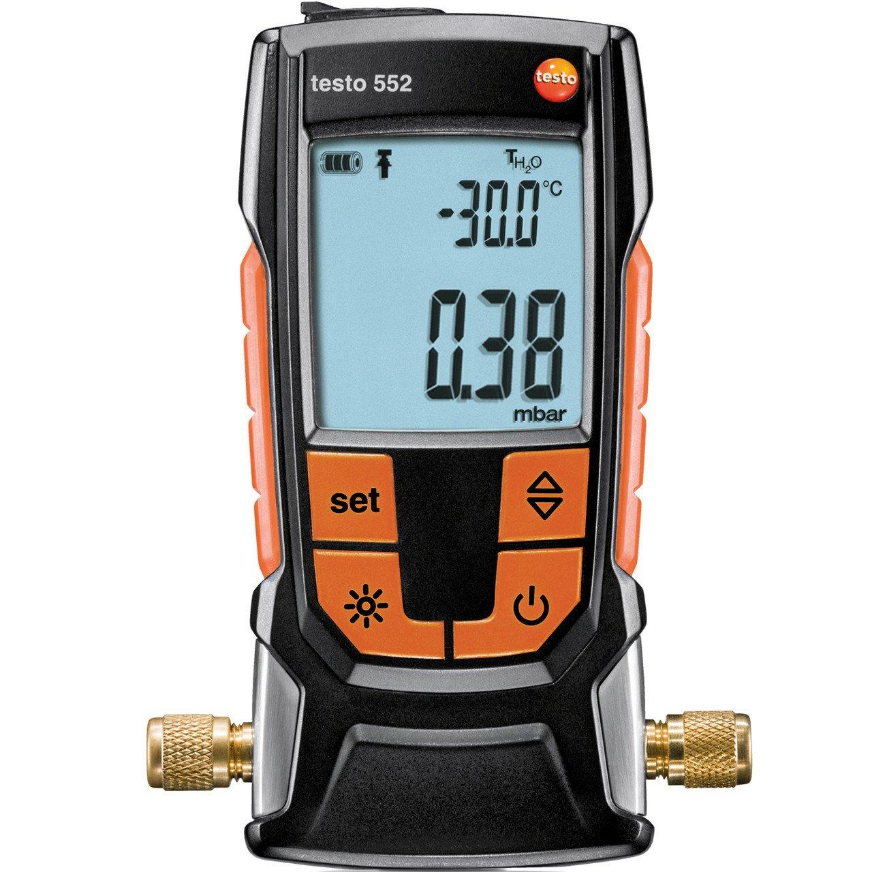
Routine maintenance is crucial for extending the lifespan of your HVAC system and ensuring it operates at peak efficiency. This includes regular cleaning of the air filters and coils, checking for leaks, and scheduling an annual service with a professional HVAC technician. Ignoring routine maintenance can lead to costly repairs and decreased efficiency over time.
Repairs and Replacements
Even the best HVAC system will need repairs from time to time. It's essential to act swiftly when you notice issues such as uneven heating or cooling, strange noises, or unusually high energy bills. Delaying repairs can lead to more severe (and more expensive) problems down the line.
Similarly, if your HVAC system is more than ten years old, it may be time to consider a replacement. Modern HVAC systems are significantly more energy-efficient and reliable, providing better value over time.
Zoning Your Home
If your home has multiple stories or large open spaces, you might benefit from zoning. Zoning involves dividing your home into separate areas (or "zones"), each with its own thermostat. This allows for more precise temperature control and can significantly improve the efficiency of your HVAC system.
Smart Thermostats
Smart thermostats are a relatively new addition to the HVAC market, but they've quickly become a must-have for many homeowners. These devices allow you to control your HVAC system remotely via a smartphone app, making it easy to adjust the temperature from anywhere. Plus, many smart thermostats also offer features like energy usage reports and learning algorithms that adjust your settings based on your habits. By giving you more control and insight into your HVAC system, a smart thermostat can significantly increase its efficiency.
Investing in Energy-Efficient Add-Ons
You can boost your HVAC system's performance and efficiency with the addition of energy-efficient accessories. Products like dehumidifiers, air purifiers, and ventilators can enhance indoor air quality, control moisture, and ensure adequate ventilation. Some of these add-ons can even prolong your HVAC system's lifespan by reducing the load on the main unit.
Insulation and Sealing
The efficiency of your HVAC system is significantly impacted by your home's insulation and the integrity of its seals. If your home isn't adequately insulated, or if doors and windows aren't sealed properly, your HVAC system will have to work overtime to compensate. Investing in quality insulation and ensuring your home is properly sealed can drastically increase the effectiveness of your HVAC system.
Understanding Your HVAC System
Knowledge is power, and this is certainly true when it comes to your HVAC supply. Understanding the basics of how your HVAC system works can help you make informed decisions about maintenance, repairs, and replacements. Familiarize yourself with the main components of your HVAC system (such as the condenser, evaporator, and compressor in an air conditioner, or the burner, heat exchanger, and blower in a furnace) and their basic functions. If something goes wrong, this knowledge can help you communicate effectively with your HVAC technician and understand what repairs are necessary.
Working with a Reliable HVAC Supplier
Last but not least, the quality of your HVAC supply significantly depends on the supplier you choose to work with. A reliable supplier will offer a range of high-quality products, provide expert advice on system selection, and offer after-sales services such as maintenance and repair. They can also help you understand your HVAC system better and provide tips on maximizing its efficiency.
To sum up, getting the most out of your HVAC supply involves more than just turning the dial on your thermostat. It's about choosing the right system, maintaining it well, understanding its workings, and partnering with a reliable supplier. By following these tips, you can ensure your HVAC system works efficiently to keep your home comfortable year-round. And who knows - you might even save some money on your energy bills in the process!
Here at HVAC Shop, we're committed to providing our customers with top-notch HVAC supplies and expert advice. Whether you're looking to replace your old system or simply want to learn more about maximizing your current system's efficiency, we're here to help. Contact us today and let us help you keep it cool!