
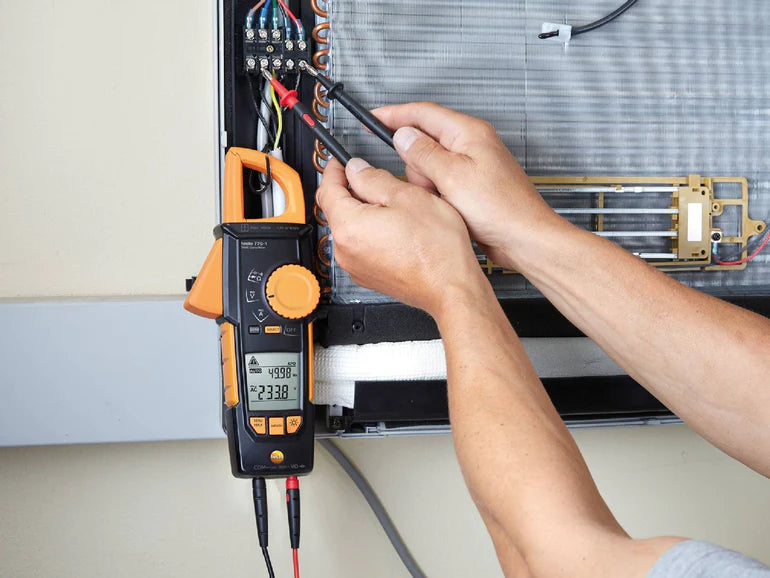
System Efficiency: Impact of HVAC Supplies
In the heat of summer or the cold of winter, it’s your HVAC system that comes to the rescue, ensuring a comfortable indoor environment. However, have you ever wondered how your HVAC supplies can dramatically affect your system’s efficiency? We often neglect the importance of quality HVAC supplies, which play a vital role in the optimal performance and longevity of our systems.
Whether you’re a homeowner wanting to understand the ins and outs of HVAC supplies or a business owner trying to cut down energy costs, this blog post will shed light on how the right HVAC supplies can significantly impact your system's efficiency.
The Importance of Quality HVAC Supplies
HVAC supplies are the backbone of your HVAC system. They encompass everything from your system’s filters, coils, and thermostats to more specific components like capacitors, refrigerants, and fans. Selecting the best quality supplies ensures smooth system operation, reduces maintenance costs, and prolongs the lifespan of your HVAC system.
Consider this scenario: Let's say you opt for a cheaper, low-quality filter. Initially, you save a few bucks, but in the long run, this cheap filter will need frequent replacement and might not effectively trap dust and debris. This leads to your system working harder than necessary, thereby reducing its efficiency and increasing energy costs.
Knowing Your Components
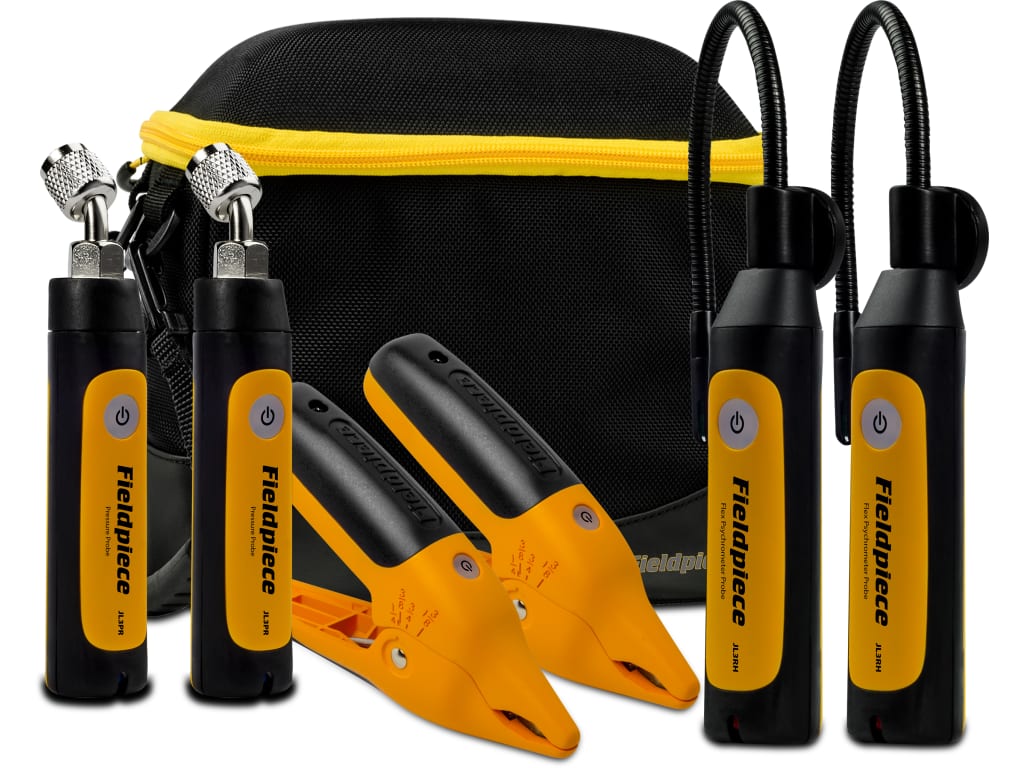
The first step in understanding how HVAC supplies can impact system efficiency is understanding the key components of your HVAC system.
1. Filters
The HVAC filters are your system's frontline defence. They trap dust, debris, allergens, and other airborne particles, preventing them from circulating in your space or damaging your system. Filters with a high MERV (Minimum Efficiency Reporting Value) rating can trap smaller particles, improving air quality. However, these filters also cause more resistance to airflow, which may reduce system efficiency if not properly managed.
2. Thermostats
The thermostat controls the temperature of your environment by regulating your HVAC system’s operation. Modern, smart thermostats allow for more precise control over temperature settings, leading to more efficient energy use.
3. Coils
The coils in your HVAC system either absorb heat from your environment (in the case of evaporator coils) or release it (condenser coils). Regular maintenance of these coils, including cleaning and replacement when needed, ensures efficient heat transfer.
4. Fans and Blowers
Fans and blowers move air through your HVAC system and into your space. Ensuring these components are in good working condition is crucial for optimal system performance.
5. Capacitors and Refrigerants
Capacitors help start and run the motors in your HVAC system, while refrigerants absorb and release heat. These components are vital for your system's operation, and using high-quality parts can dramatically increase efficiency.
Maintaining Your System
Properly maintaining your HVAC system involves regular checks and routine maintenance of these components. Regular cleaning and inspection can identify any potential issues before they become costly repairs.
Air filters should be replaced or cleaned every 1-3 months, depending on the type of filter and your usage. Coils should be checked and cleaned at least once a year to ensure optimal heat transfer. Similarly, your system’s fans, blowers, capacitors, and other components should be regularly inspected for signs of wear and tear.
Regular maintenance also includes checking for leaks, especially in the case of refrigerants. Leaks not only reduce the efficiency of your system but can also harm the environment, as many older refrigerants are potent greenhouse gases.
In addition to routine maintenance, the installation and setup of your HVAC system can greatly influence its efficiency. This includes proper sizing of the system to your space and correct installation of all components, which should be carried out by a professional to ensure optimal operation.
Upgrading Your System
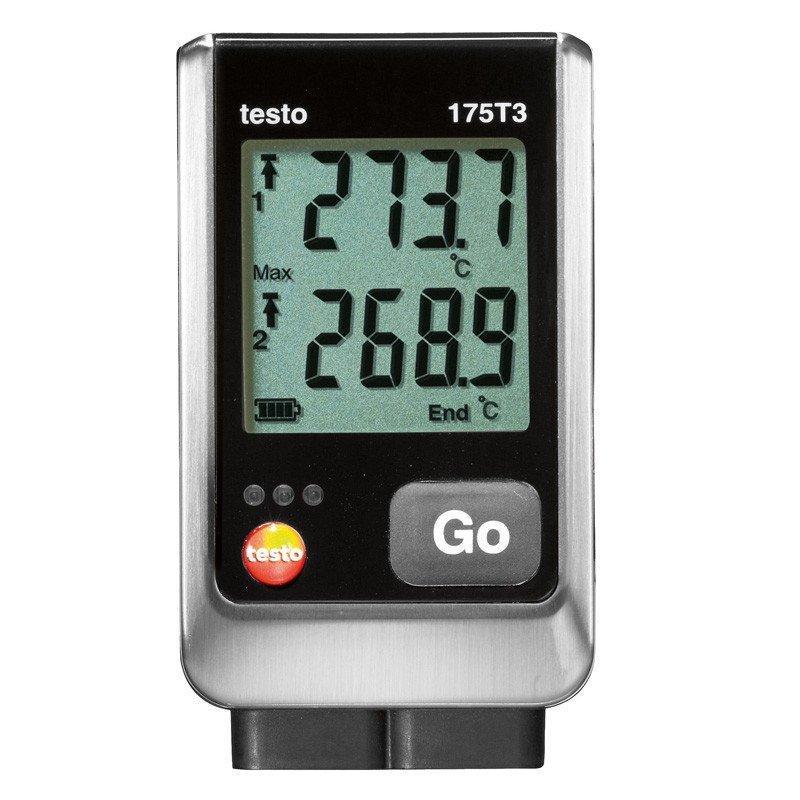
Sometimes, the best way to improve your system’s efficiency is to upgrade components. This could mean investing in a smart thermostat, which allows for more precise temperature control and can even learn your habits for optimal energy use. You could also consider upgrading to a higher MERV filter for better air quality, though keep in mind the balance between air quality and system efficiency.
In other cases, upgrading your HVAC system entirely may be the most cost-effective route. This could be the case if your system is old and inefficient by modern standards, or if you frequently require repairs. Modern HVAC systems are much more efficient, often resulting in significant energy savings that can offset the cost of the new system over time.
The Impact of HVAC Supplies on Energy Efficiency
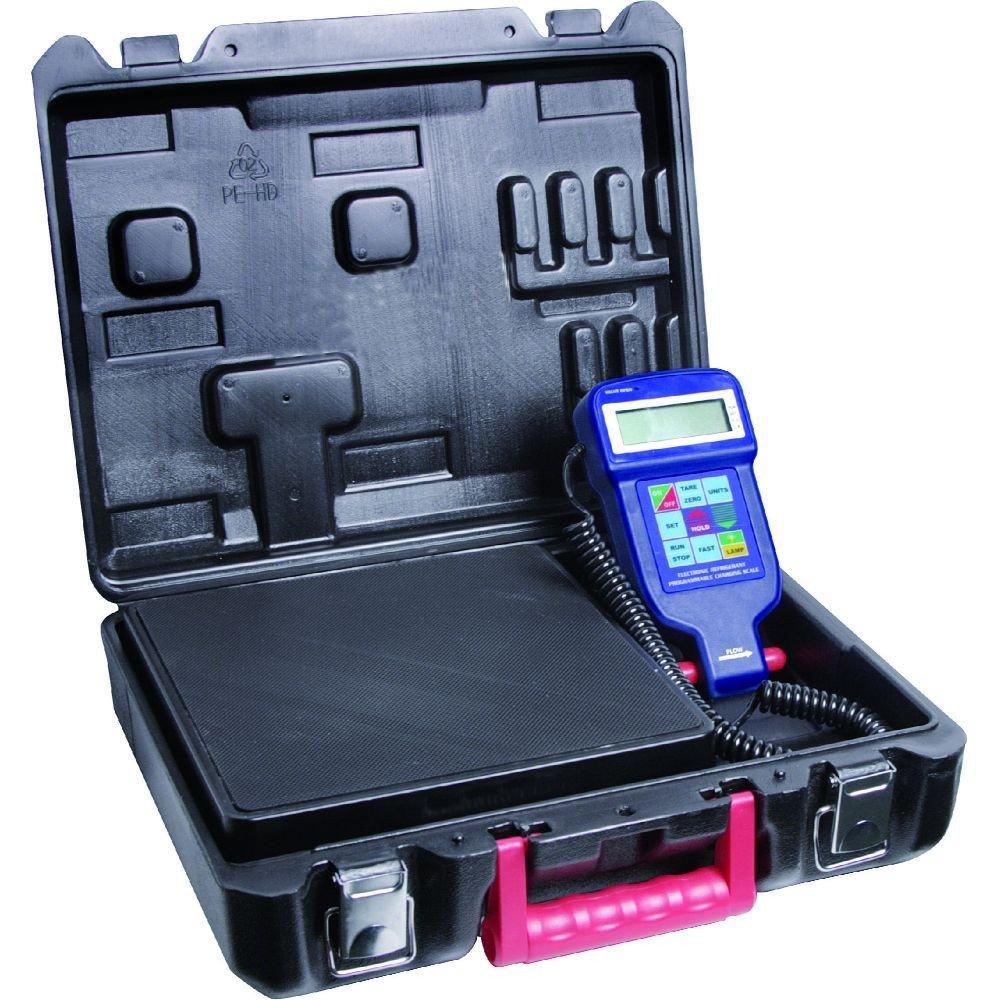
The U.S. Department of Energy estimates that heating and cooling account for about half of the energy use in a typical U.S. home, making it the largest energy expense for most homes. By investing in quality HVAC supplies and keeping up with maintenance, you can greatly reduce this energy use.
For example, a dirty filter will slow down airflow and make your system work harder to heat or cool your space, wasting energy. A study by the Lawrence Berkeley National Laboratory found that a clogged filter can reduce efficiency by as much as 20%.
Similarly, a malfunctioning thermostat can cause your system to run unnecessarily, increasing energy use. Modern smart thermostats can learn your schedule and temperature preferences, adjusting the settings to save energy when you're not home.
Even small components like capacitors and fans can have a significant impact on system efficiency. A faulty capacitor can cause the system's motor to work harder, while a broken fan can reduce airflow.
Conclusion
HVAC supplies may seem like minor elements in the grand scheme of your system, but their role in ensuring optimal performance and efficiency cannot be overstated. Investing in quality components, regular maintenance, and upgrades when needed can greatly increase your system’s efficiency and longevity, reduce energy costs, and improve the comfort of your space.
Remember, the cost of an efficient HVAC system isn’t just the upfront price tag—it’s the sum of all the energy bills and repair costs you’ll pay over the system's lifetime. By understanding the role of HVAC supplies in system efficiency, you can make informed decisions that will save money and increase comfort in the long run.
While the task might seem daunting, professionals are here to help. Whether it’s maintenance, repair, or full system upgrade, don't hesitate to contact experts to ensure the best performance for your HVAC system.
At HVAC Shop, we are proud to provide high-quality HVAC supplies for all your needs, helping you improve your system's efficiency while reducing energy costs. Visit our shop or contact us today to find out how we can help you maximize your HVAC system’s efficiency.