
Reviewed by: the HVAC Shop Technical Team
Published: March 2022
Last reviewed: April 2026
Refrigerant Reclaim Australia: Safe and Sustainable Recovery Solutions
Coolers, refrigerators, and air conditioners all rely on refrigerants to operate efficiently. But once those refrigerants are handled incorrectly, vented carelessly, or contaminated during servicing, they become more than just a technical issue. They become an environmental and compliance problem as well.
That is why proper refrigerant recovery matters. It protects the system, the technician, and the environment while ensuring your work meets Australian expectations for safe handling and responsible disposal.
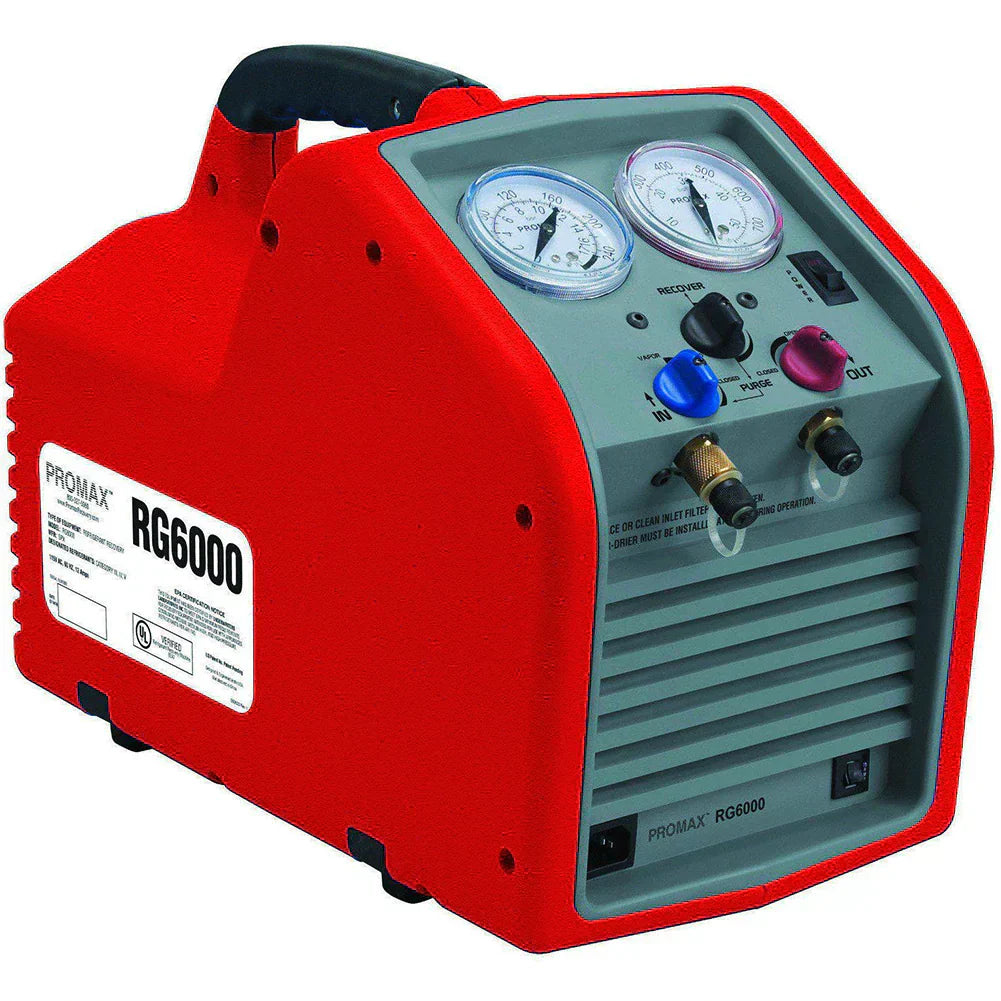
👉 Start with reliable refrigerant recovery units for safe HVAC servicing in Australia designed for real jobsite conditions.

Whether you are servicing a residential split system in Sydney, working on a commercial rooftop in Perth, or handling refrigeration systems in Brisbane humidity, recovery equipment is part of the job. Without it, you are risking contamination, environmental damage, and serious compliance issues.
Recovering refrigerant properly protects recovery cylinders, reduces contamination risk, and prevents damage to expensive HVAC tools.
Why Refrigerant Recovery Matters in Australia
Australia has strict expectations around refrigerant handling because many refrigerants can harm the environment if released incorrectly. Some contribute to ozone depletion, while others have a high global warming potential.
This makes proper recovery a critical part of HVAC work. It is not just about doing the job correctly. It is about ensuring refrigerant is captured, stored, and handled responsibly.
Programs such as Refrigerant Reclaim Australia support this process by providing a structured way to manage recovered refrigerants. For technicians, this reinforces the importance of using the right tools and following correct procedures.
Using professional refrigerant recovery machines for clean and controlled refrigerant handling helps ensure refrigerant is removed safely without contamination or loss.
Evacuation, Micron Behaviour, and Recovery Workflow
Recovery is closely linked to evacuation. Before a system can be serviced properly, refrigerant must be removed and stored safely. After that, evacuation removes moisture and non-condensables.
Micron readings during evacuation tell you whether the system is clean and dry. If the micron level rises after isolation, it often indicates moisture or a leak. This is where poor recovery practices can create problems. Contaminated refrigerant or incomplete recovery can make achieving a deep vacuum more difficult.
Using recovery units alongside proper vacuum pumps and gauges ensures that both recovery and evacuation are completed correctly. This combination improves system reliability and reduces the risk of repeat work.
Clean recovery leads to faster evacuation. Contaminated refrigerant slows the entire process and affects final system performance.
How a Refrigerant Recovery Unit Operates
A refrigerant recovery unit uses an internal compressor to pull refrigerant from the system and transfer it into an approved recovery cylinder. This process must be controlled to avoid introducing contamination or losing refrigerant during transfer.
Liquid recovery is the fastest method when conditions allow. Vapour recovery is more controlled and commonly used during service work. Push-pull recovery is suited to large systems with significant refrigerant volume.
The method chosen depends on the system, the refrigerant type, and the volume involved. A good technician adapts the approach based on these factors rather than relying on one method for every job.
Real Tradie Scenarios Across Australia
In Sydney residential work, recovery units are used on almost every job involving system opening. Efficiency matters because jobs are frequent and time-sensitive.
In Melbourne commercial environments, systems vary widely. Recovery units must handle different refrigerants and system sizes while maintaining consistent performance.
In Perth, extreme heat affects recovery speed and machine cooling. Units with better condenser design perform more reliably under these conditions.
In Brisbane, humidity increases moisture risk, making clean recovery even more important to support proper evacuation.
Refrigerant Recovery Unit Buyer’s Guide for Australia
Choosing the right recovery unit is not about picking the cheapest option. It is about selecting equipment that matches your workload, environment, and service requirements.
Durability is critical because recovery units are transported frequently and exposed to tough conditions. A unit that cannot handle heat, dust, and movement will not last long in real-world use.
Ease of use also matters. Complex machines slow down jobs and increase the chance of mistakes. Clear controls and simple operation improve efficiency on site.
Speed is another key factor. Faster recovery means less downtime and better productivity. Dual-cylinder designs often provide higher recovery rates for larger systems.
Portability is important for technicians working across multiple sites. Lightweight units are easier to move, but larger units may provide better cooling and performance.
Serviceability should never be overlooked. Machines must be easy to maintain, and parts must be available when needed. Otherwise, downtime quickly becomes costly.
👉 Compare HVAC refrigerant recovery units with strong recovery rates and durability to find the right fit for your workflow.
Comparison Table: Recovery Unit Performance Factors
| Feature | Impact on Work | Best For | Watch Out For |
|---|---|---|---|
| Durability | Handles site conditions | Field technicians | Weak housings |
| Recovery Speed | Improves efficiency | High-volume work | Overstated performance claims |
| Portability | Easier transport | Mobile jobs | Reduced cooling capacity |
| Ease of Use | Reduces errors | Busy workflows | Complex controls |
| Serviceability | Reduces downtime | Long-term ownership | Limited parts availability |
A faster recovery unit is only valuable if it can maintain performance in hot Australian conditions without overheating.
Cluster Context: Why Recovery Units Work With Other HVAC Tools
Recovery units do not work alone. They are part of a complete system that includes gauges, vacuum pumps, hoses, and cylinders. Each component plays a role in ensuring safe and efficient refrigerant handling.
High-quality hoses reduce pressure loss during recovery. Accurate gauges provide real-time readings. Vacuum pumps ensure systems are properly evacuated after recovery. Together, these tools create a complete workflow that improves job quality.
This is why professionals invest in a complete setup rather than focusing on a single tool.
When It’s Time to Upgrade Your Recovery Unit
If your current unit struggles with recovery speed, overheats in hot conditions, or cannot handle modern refrigerants, it is time to upgrade. Older machines often lack efficiency and may not meet current performance expectations.
Upgrading improves productivity, reduces downtime, and ensures your equipment can handle modern HVAC systems.
👉 Upgrade to modern refrigerant recovery units for faster and cleaner HVAC servicing built for today’s jobsite demands.
Key Takeaways
Refrigerant recovery is essential for safe HVAC servicing. The right equipment improves efficiency, reduces contamination, and ensures compliance with Australian standards.
Choosing a recovery unit based on durability, speed, and serviceability ensures long-term reliability and better job performance.
FAQs
Q: Can refrigerant be reused?
Yes, if it is recovered cleanly and handled correctly.
Q: Do I need a recovery unit?
Yes, for safe and professional refrigerant handling.
Q: What affects recovery speed?
System size, refrigerant type, and machine performance.
Q: Is recovery required in Australia?
Yes, proper handling is expected to prevent environmental impact.