
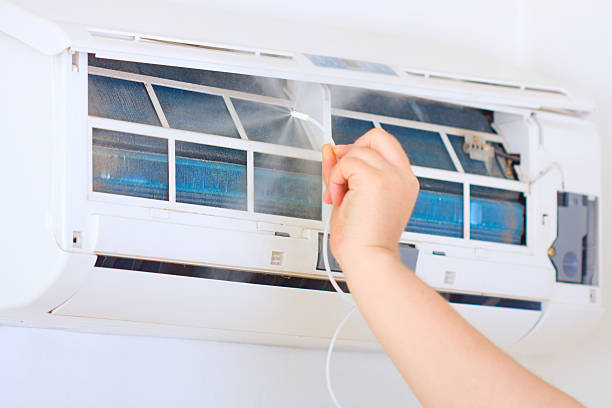
Aircon Cleaning Kits: Your Complete Air Conditioning Cleaning Kit Solution
Have you ever found yourself on a hot summer day, staring at your air conditioner and wondering why it's not cooling your room as efficiently as it used to? The answer is most likely that it needs a good clean. This is where an air conditioner cleaning kit comes in handy! In this blog post, we'll delve deep into the world of air conditioner cleaning kits and teach you everything you need to know.
First things first: what is an air conditioner cleaning kit and why is it essential? Simply put, an air conditioner cleaning kit is a packaged collection of cleaning tools and solutions designed specifically to clean and maintain your HVAC (Heating, Ventilating, and Air Conditioning) system.
Why does this matter? Just like any other machine, your air conditioner collects dust, dirt, and other airborne particles over time. This build-up can affect its performance, resulting in less cool air, more energy consumption, and even potential breakdowns. Regular cleaning is key to ensuring your air conditioner runs efficiently and lasts longer, saving you money on energy bills and expensive repairs.
The Composition of an Air Conditioner Cleaning Kit
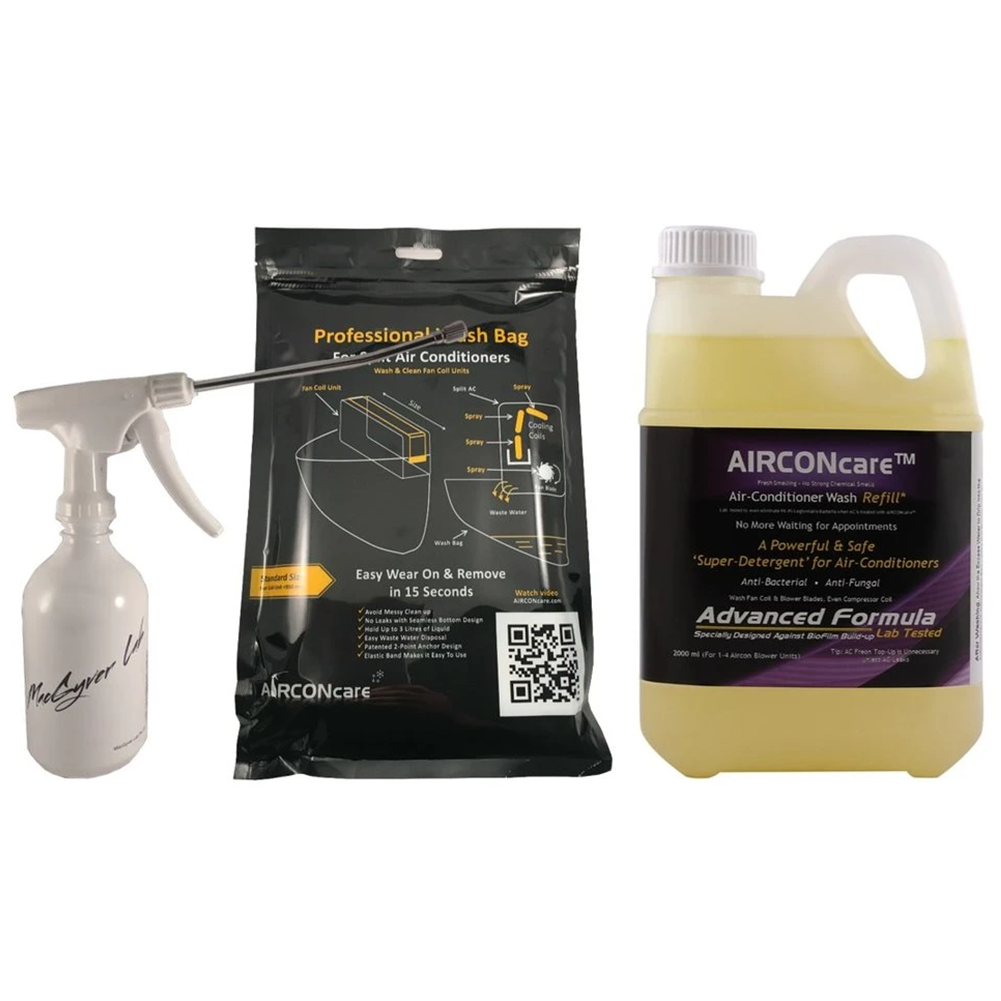
Now that we've established the importance of an air conditioner cleaning kit, let's take a look at what you can typically expect to find inside one.
-
Coil Cleaner: This is the superhero of your cleaning kit. Coil cleaners are special solutions designed to clean the evaporator and condenser coils of your air conditioner.
-
Fin Comb: This simple yet effective tool is used to straighten any bent fins on your air conditioner's condenser and evaporator coils, ensuring optimal airflow.
-
Air Filter Cleaner: This is used to clean the air filters, which are crucial to your AC's efficiency and the air quality in your space.
-
Brushes: These are for cleaning off the loose debris before you dive into deep cleaning.
-
Protective Gloves and Goggles: Safety first! Cleaning can involve dealing with dust, grime, and cleaning chemicals, so protective gear is a must.
How to Use an Air Conditioner Cleaning Kit
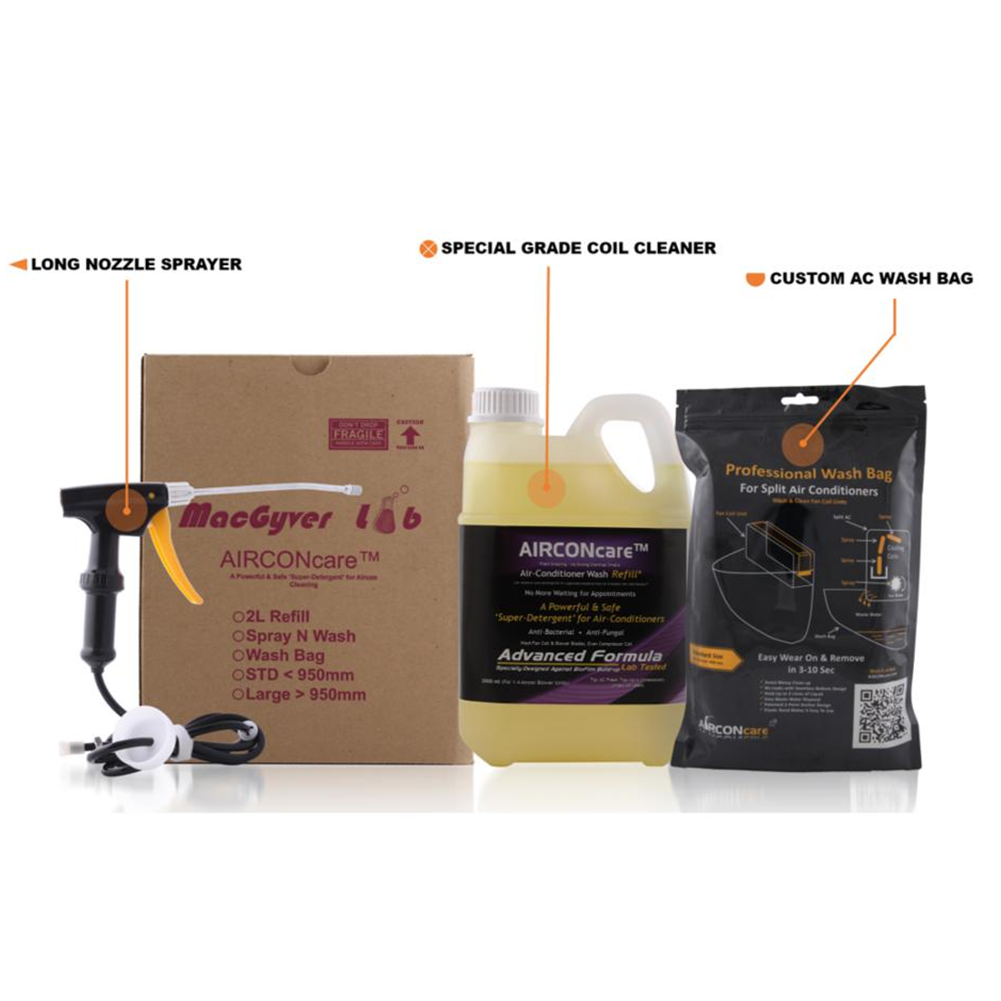
Air conditioner cleaning might seem like a daunting task, but with a cleaning kit and these easy steps, you'll find it's simpler than you think!
Step 1: Turn Off Your Air Conditioner
Safety should always be your top priority. Before you start cleaning, make sure to turn off your air conditioner to avoid any electrical mishaps.
Step 2: Remove Debris
Before you begin with the deep cleaning, remove any visible debris from the unit. A brush from your cleaning kit is perfect for this task.
Step 3: Clean the Filters
Next, remove the air filters, spray them with the filter cleaner from your kit, and rinse them under warm water. Dry them thoroughly before reinstalling.
Step 4: Clean the Coils
Use the coil cleaner in your kit to clean the evaporator and condenser coils. Spray the cleaner on the coils and wait for the specified time. Rinely, if required by the cleaner instructions.
Step 5: Straighten the Fins
Use the fin comb from your kit to straighten any bent fins on your unit. This step helps improve your air conditioner's airflow
Step 6: Reassemble and Test
Once you're done with all the cleaning steps, reassemble the air conditioner. Turn it on and let it run for a few minutes to see if there's any difference in the airflow and cooling efficiency. You should notice an immediate improvement.
Step 7: Regular Maintenance
Remember, maintenance is an ongoing process. Depending on how frequently your air conditioner is used, it's recommended to clean it at least once or twice a year. This helps to ensure optimum performance and prolongs the life of the unit.
Picking the Right Air Conditioner Cleaning Kit
With a plethora of options available in the market, picking the right air conditioner cleaning kit can seem overwhelming. Here are a few things you should consider:
-
Compatibility: Not all kits are universal. Some are better suited for certain models or types of air conditioners than others. Always make sure to check that the kit you're considering is compatible with your specific air conditioner model.
-
Safety: Choose a kit that comes with safety equipment like gloves and goggles. Cleaning an air conditioner can involve dealing with dust, debris, and chemicals, and it's essential to protect yourself during the process.
-
Eco-Friendly: Consider choosing a kit that includes biodegradable and eco-friendly cleaning products. Not only is it better for the environment, but it's also safer for you.
-
Comprehensive: A good air conditioner cleaning kit should contain all the tools and solutions you need for a thorough clean. Make sure it includes a coil cleaner, a fin comb, filter cleaner, brushes, and safety gear.
The Benefits of Using an Air Conditioner Cleaning Kit

- Efficiency: A clean air conditioner runs more efficiently, providing better cooling and reducing energy consumption. This can result in substantial savings on your energy bills over time.
- Longevity: Regular maintenance using an air conditioner cleaning kit can help extend the life of your unit. By taking care of minor issues before they become major problems, you can save money on costly repairs or replacements.
- Health: An air conditioner cleaning kit doesn't just benefit your unit - it benefits you as well! A clean air conditioner filters the air more effectively, improving indoor air quality and reducing the risk of allergies and respiratory issues.
Conclusion
Maintaining your air conditioner is crucial for its efficiency, longevity, and your overall health. An air conditioner cleaning kit is a handy, cost-effective solution that puts the power of professional HVAC maintenance right in your hands.
So, what are you waiting for? Start taking control of your indoor environment and say hello to cleaner, cooler air. Visit our website HVAC Shop today, and get your air conditioner cleaning kit to begin your journey towards an efficient and well-maintained HVAC system.
In the next post, we will discuss other DIY maintenance tips for your HVAC system. Stay tuned!
Remember, when it comes to your HVAC system, prevention is always better than cure. Just like you wouldn't wait until you're stranded on the side of the road to change the oil in your car, don't wait until your air conditioner breaks down to start thinking about maintenance. Make air conditioner cleaning a regular part of your home maintenance routine and enjoy the peace of mind that comes with knowing you're getting the most out of your system.