
Introduction to Vacuum Pump Oil
If you're involved in HVAC (Heating, Ventilation, and Air Conditioning) work, or you maintain industrial equipment, you're likely familiar with vacuum pumps and the essential role they play. Vacuum pump oil is a critical component that ensures these pumps operate efficiently and reliably. This article aims to provide a comprehensive guide to understanding vacuum pump oil, specifically focusing on the 946ml size, which is popular for many applications.
What is Vacuum Pump Oil?
Vacuum pump oil is a specially formulated lubricant used in vacuum pumps to reduce friction, wear, and tear on moving parts, and to help in the removal of contaminants from the vacuum system. It plays a crucial role in maintaining the pump's efficiency and longevity by ensuring smooth operation and preventing the buildup of harmful residues.
Importance of Vacuum Pump Oil in HVAC Systems
In HVAC systems, vacuum pump oil is vital for maintaining optimal performance. The oil helps to create a perfect vacuum by sealing and lubricating the pump's internal components. Without proper lubrication, the pump can overheat, wear out quickly, and fail to achieve the desired vacuum levels. This can lead to inefficient system performance and increased operational costs.
Common Types of Vacuum Pump Oil
Vacuum pump oils vary based on their viscosity, thermal stability, and chemical composition. The most common types include mineral-based oils and synthetic oils. Each type has its advantages and is suited to specific applications:
- Mineral-Based Oils: These are traditional oils derived from crude oil. They are cost-effective and suitable for general-purpose use.
- Synthetic Oils: These oils are chemically engineered to offer superior performance, especially in high-temperature and high-load conditions. They tend to be more expensive but provide better protection and longer service life.
Specifications of Vacuum Pump Oil 946ml
The 946ml size is a convenient option for many users because it offers a sufficient quantity for several maintenance cycles without the bulk of larger containers. The specifications for vacuum pump oil in this size typically include:
- Viscosity: Optimal for efficient lubrication and minimal resistance.
- Thermal Stability: High resistance to breaking down at elevated temperatures.
- Chemical Stability: Resistant to oxidation and chemical reactions that can degrade the oil's performance.

One excellent example of a 946ml vacuum pump oil is the Vacuum Pump Oil 946ml from HVAC Shop, which offers all these features and more.
Comparison Between Different Brands of 946ml Vacuum Pump Oil
When choosing a vacuum pump oil, it's essential to compare different brands to find the one that best suits your needs. Some factors to consider include price, performance, and customer reviews. For instance, the Javac N16 Premium Vector Pump Oil is renowned for its high-quality formulation and excellent performance in demanding applications.

Key Features to Look for in 946ml Vacuum Pump Oil
When selecting vacuum pump oil, consider the following features to ensure you get the best product for your needs:
- High Viscosity Index: Ensures consistent performance across a wide temperature range.
- Low Vapor Pressure: Minimizes oil vaporization, which can degrade pump performance.
- Excellent Lubricity: Reduces wear and tear on pump components.
- Chemical Stability: Resists oxidation and chemical degradation.
How to Use Vacuum Pump Oil in HVAC Systems
Using vacuum pump oil correctly is crucial for maintaining your HVAC system's efficiency. Here's a step-by-step guide:
- Check Oil Levels: Before starting the pump, ensure the oil level is within the recommended range.
- Replace Old Oil: Drain the old oil and replace it with fresh oil at regular intervals to prevent contamination.
- Monitor Oil Quality: Regularly check the oil for signs of contamination or degradation, such as changes in color or viscosity.
- Follow Manufacturer's Instructions: Always adhere to the manufacturer's guidelines for oil type and replacement intervals.

Applications of Vacuum Pump Oil in Industrial Settings
Vacuum pump oil is used in various industrial applications beyond HVAC systems, including:
- Manufacturing: Essential in processes that require a vacuum, such as semiconductor fabrication.
- Laboratories: Used in vacuum pumps for scientific research and experiments.
- Automotive: Critical for maintaining the performance of automotive air conditioning systems.
The Role of Vacuum Pump Oil in Automotive Air Conditioning
In automotive air conditioning systems, vacuum pump oil helps ensure efficient refrigerant flow and prevents moisture and contaminants from entering the system. Proper oil maintenance can significantly improve the system's cooling performance and longevity.
How Often Should You Replace Vacuum Pump Oil?
The frequency of oil replacement depends on the pump's usage and operating conditions. However, a general rule of thumb is to replace the oil every 500-1000 hours of operation or as recommended by the manufacturer. Regular oil changes help maintain pump efficiency and prevent damage.
Signs That Your Vacuum Pump Oil Needs Replacing
Be aware of the following signs that indicate it's time to replace your vacuum pump oil:
- Darkened Color: Indicates contamination or oxidation.
- Increased Viscosity: Makes the oil less effective as a lubricant.
- Unusual Odor: Can be a sign of chemical degradation.

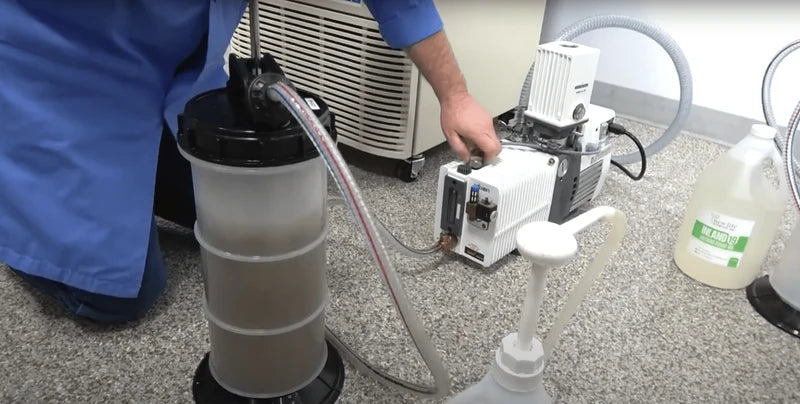
Step-by-Step Guide to Replacing Vacuum Pump Oil
Replacing vacuum pump oil is a straightforward process:
- Turn Off the Pump: Ensure the pump is turned off and cooled down.
- Drain Old Oil: Open the drain valve and let the old oil flow out completely.
- Inspect the Pump: Check for any signs of damage or contamination.
- Refill with New Oil: Pour in the fresh oil up to the recommended level.
- Run the Pump: Run the pump briefly to circulate the new oil and check for leaks.
Personal Anecdote: A Customer's Experience
One of our customers, Sarah, runs a small automotive repair shop. She shared her story about struggling with frequent breakdowns of her vacuum pump. After consulting with us and switching to the Vacuum Pump Oil 946ml from HVAC Shop, she noticed a significant improvement in her pump's performance. The consistent high quality of the oil reduced the frequency of oil changes and prevented the issues she previously encountered. Sarah's experience highlights the importance of using high-quality vacuum pump oil for maintaining equipment reliability.
Conclusion
Vacuum pump oil is a critical component for maintaining the efficiency and longevity of your HVAC systems and other vacuum applications. Understanding the different types of vacuum pump oil, their specifications, and how to use them effectively can make a significant difference in your equipment's performance. Whether you're a professional technician or a DIY enthusiast, investing in high-quality vacuum pump oil, like the Vacuum Pump Oil 946ml from HVAC Shop, will ensure your systems run smoothly and efficiently.
By following proper maintenance practices and regularly replacing your vacuum pump oil, you can avoid costly repairs and extend the life of your equipment. Stay informed, choose the right products, and enjoy the benefits of a well-maintained vacuum system.