
Hygrometers: Essential Tools for Managing Indoor Humidity (Australia)
Too damp or too dry air can cause health issues, mould, damaged finishes and cranky HVAC systems. A simple hygrometer shows your indoor relative humidity (RH) so you can keep it in the comfort “Goldilocks” zone.
What Is a Hygrometer?
A hygrometer measures relative humidity—how much moisture is in the air compared with the maximum the air can hold at the current temperature. Readings are shown as a percentage (%).
How It Works (Plain English)
- Digital (capacitive/resistive sensors): An electronic sensor changes value as moisture changes; a microchip converts this into %RH.
- Psychrometer (wet/dry bulb): Two thermometers—one wrapped in a damp wick—are compared. The temperature difference (“wet-bulb depression”) is used with a chart to find %RH.
What They Measure & Ideal Indoor Ranges
- Relative Humidity (RH): Comfort range is typically 40–60% indoors.
- Risks: >60% = mould, mites, swollen timber. <40% = dry skin, static, irritated airways.
Types at a Glance
| Type | Best for | Pros | Watch-outs |
|---|---|---|---|
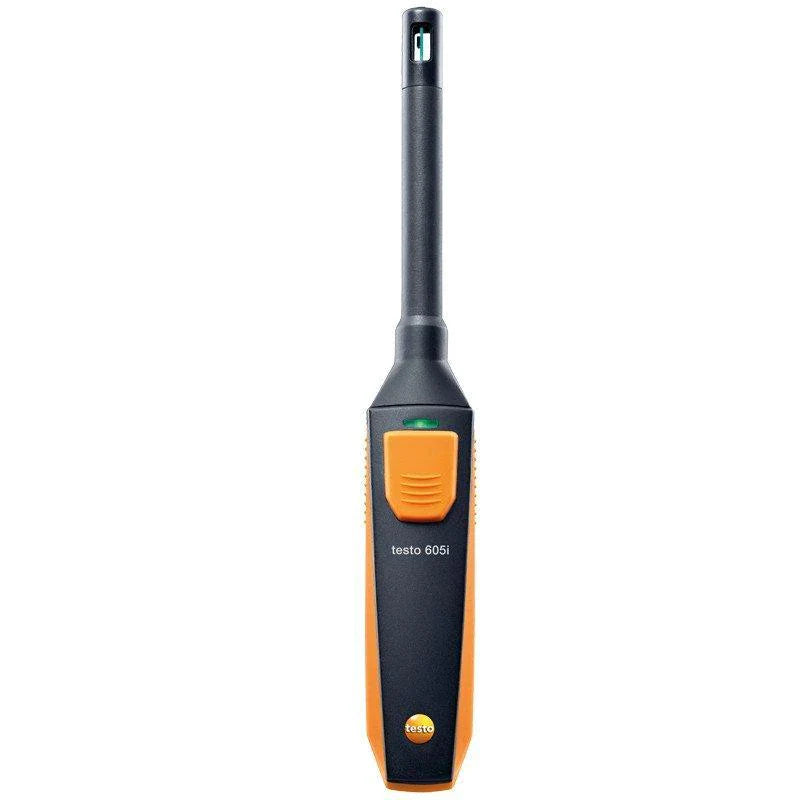
| Digital handheld / desktop | Homes, offices, greenhouses | Fast, easy to read, often logs temp + RH | Calibrate/check accuracy yearly |
| Bluetooth/app-enabled | Monitoring multiple rooms or remote checks | Graphs, alerts, easy sharing | Keep away from vents/steam for best accuracy |
| Psychrometer (wet/dry bulb) | Training, field verification | No batteries, reliable method | Needs chart and proper technique |

How to Read a Hygrometer
Digital: Place the unit about 1–1.5 m above the floor, away from vents, windows and steam. Wait 2–3 minutes for the reading to stabilise.
Psychrometer: Measure dry-bulb and wet-bulb temperatures, calculate the difference, then use a psychrometric chart to find %RH.
- Dry-bulb temperature
- Wet-bulb temperature
- Wet-bulb depression = dry-bulb − wet-bulb
Calibration: Quick “Salt Test”
- Add a teaspoon of table salt to a bottle cap, moisten (not dissolve).
- Place cap and hygrometer in a sealed food container for 8 hours at room temp.
- The air in the container should be ~75% RH. Adjust the calibration screw to 75%, or note the offset if your model can’t be adjusted.
Tip: Check calibration every 6–12 months. Analogue units drift more and need more frequent checks.

Benefits at Home & Work
- Health: Reduce mould and dust mites at high RH; ease dryness at low RH.
- Comfort: Balance humidity so rooms feel cooler in summer and warmer in winter.
- Protection: Help prevent warped timber, peeling paint and corrosion.
- Plant care: Keep greenhouses and indoor plants in the right RH band.
- HVAC efficiency: Optimise dehumidifiers/humidifiers and airflow settings.
Shop Hygrometers
Explore handheld, Bluetooth and pro thermohygrometers: Browse hygrometers →